
Drowning is quick, often silent, and almost always preventable. To make that message heard around the world, the United Nations marks World Drowning Prevention Day every year on 25 July.
This article is about the day itself, and the everyday steps that stop drowning happening in the first place.
Why the day exists
In April 2021, the UN General Assembly adopted its first ever resolution on drowning prevention, resolution A/RES/75/273, put forward by Bangladesh and Ireland and agreed by consensus. It set 25 July as World Drowning Prevention Day and invited the World Health Organization (WHO) to coordinate drowning prevention across the UN system.
The scale of the problem explains why. The UN estimates that around 236,000 people drown every year, and more than 90% of these deaths happen in low- and middle-income countries. Behind each number is a family, and in many cases a child.
The WHO has published a short video on World Drowning Prevention Day that is worth sharing.
Five ways to prevent drowning
1. Learn to swim, and help children learn too. Swimming lessons for adults and children greatly reduce the risk of drowning.
2. Watch children closely, all the time. Drowning can happen in seconds and often makes no noise. When children are in or near water, an adult should be watching them, without distractions such as a phone.
3. Keep alcohol away from water. Alcohol affects judgement, balance and coordination, so do not drink when you are swimming, boating or supervising others.
4. Check the weather first. Before any trip on or near the water, check the forecast. Sudden storms, strong currents and rising rivers can turn a calm day dangerous.
5. Check safety equipment on boats. Make sure there are enough life jackets for everyone on board, that they fit, and that other safety equipment is in good condition and within reach.
What drowning really looks like
Films have taught us to expect shouting, splashing and waving. Real drowning is usually very different. A person who is drowning often cannot call for help, because they are struggling just to breathe. Their head may be low in the water with the mouth at the surface, they may be upright in the water without making any progress, and their arms may be pressing down on the water rather than waving. It can all happen in silence, a few metres from other people.
If someone in the water stops answering when you call, or looks as if they are climbing an invisible ladder, act at once.
If someone is pulled from the water
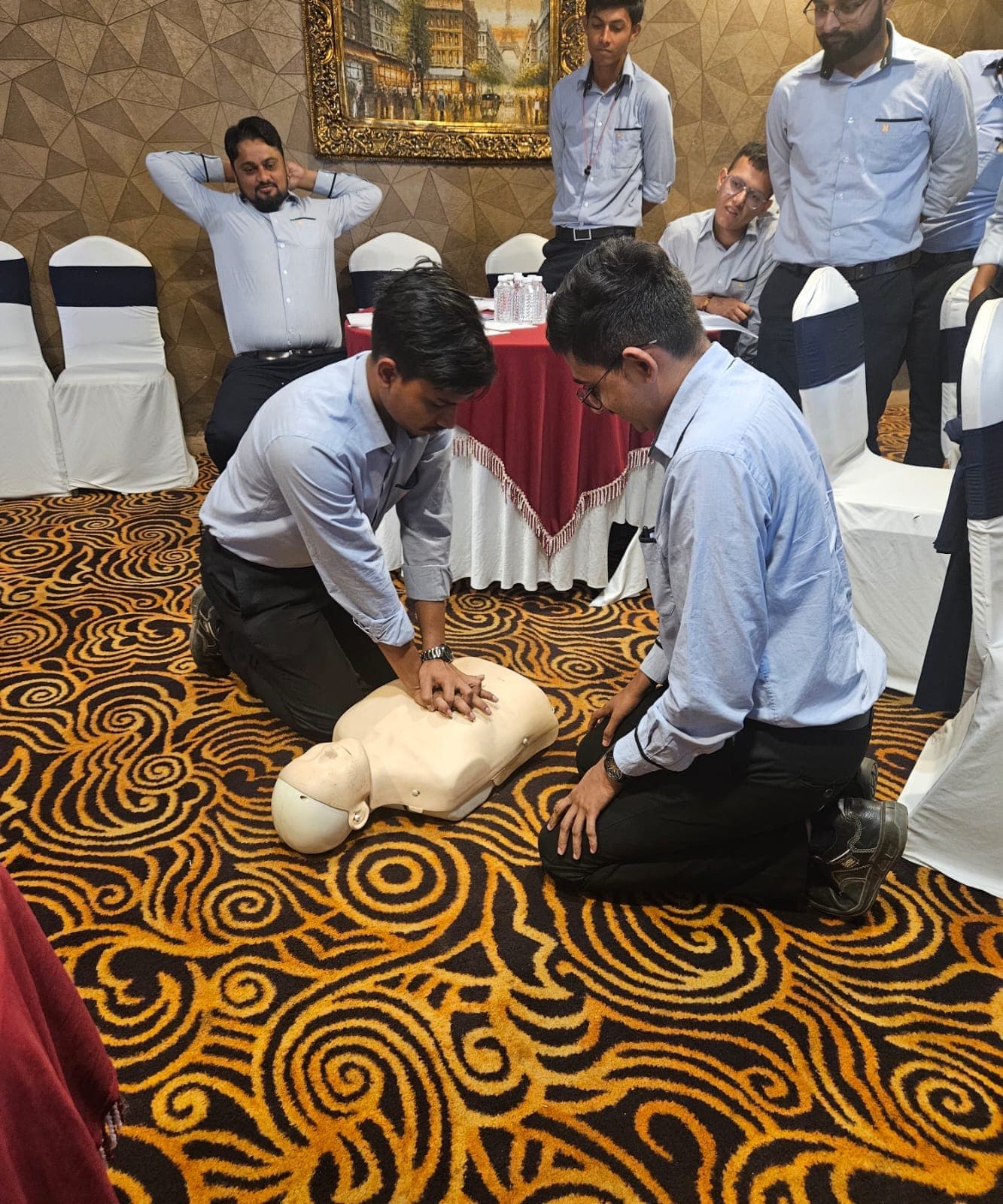
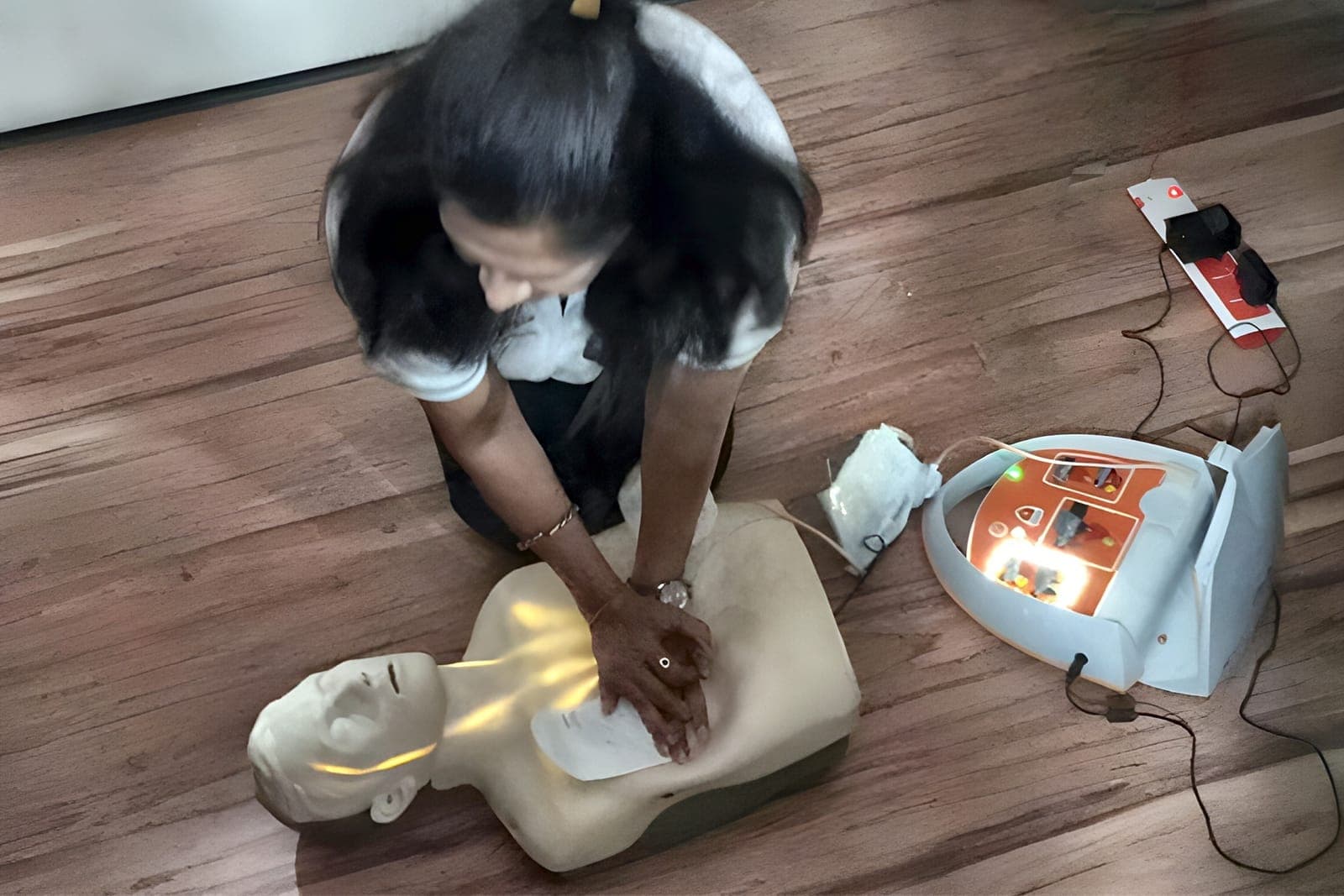
Call 112 straight away. If the person is not breathing normally, start CPR and keep going until help arrives. Anyone who has inhaled water should be checked by a doctor, even if they seem to recover.
The monsoon adds risk
During the monsoon, rivers rise, drains overflow and water collects in open pits and low-lying ground. Keep children away from flooded areas, avoid crossing fast-flowing water on foot or by vehicle, and treat any unfamiliar water as deeper and stronger than it looks.
Water hazards at work
Drowning is not only a leisure risk. People work near water at ports and jetties, on dredging and bridge projects, around reservoirs and treatment plants, on sites with ponds or flooded excavations, and offshore. Employers should:
- Fence or cover open water, tanks, sumps and pits.
- Provide life jackets for anyone working at or over the water's edge, and make sure they are worn.
- Place lifebuoys with lines at regular points along the water, and check them often.
- Plan rescues in advance, so nobody has to improvise or jump in.
- Avoid lone working near water.
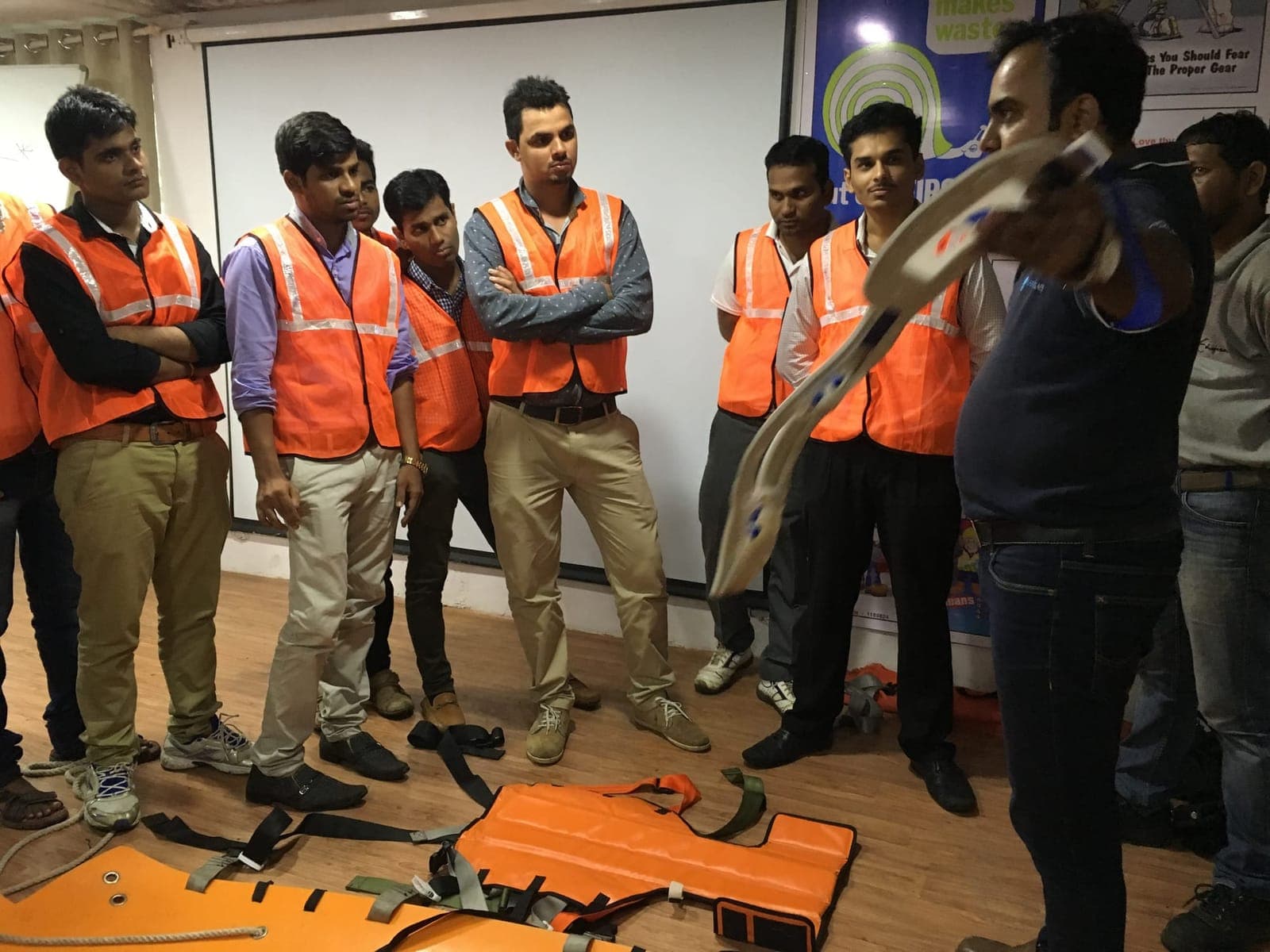
- Train people in water safety, survival and first aid, including CPR.
Every day, not just one day
World Drowning Prevention Day is a reminder, but water safety matters every day of the year. Share these steps with your family, friends and colleagues.
How Eduforce can help
The GWO Sea Survival module prepares offshore workers for emergencies at sea, and our First Aid with CPR training teaches the response that can save someone pulled from the water. To arrange training, write to info@eduforce.in or message us on WhatsApp at 8779291591.
This article is for general awareness. In an emergency, call 112.
Related training
Need help developing workplace safety capability?
Talk to Eduforce about training, consultancy and safety solutions.
Eduforce Team
EHS Training & Safety Solutions
Practical safety guidance from the Eduforce trainers and consultants — written from the training centre, the classroom and the site.
More about Eduforce