In films, quicksand swallows people whole. In real life, that does not happen: a person in quicksand is unlikely to sink completely. But getting stuck is still dangerous. You can become trapped, exhausted and cold, and near the sea or a river, a rising tide or flood can turn a stuck leg into a life-threatening emergency.
Here is what quicksand is, where it forms, and how to get out of it safely.
What quicksand is
Quicksand forms when loose sand becomes saturated with water. The water reduces the friction between the grains, and the sand loses its ability to support weight, behaving partly like a liquid. When you step on it, you sink; when you stop moving, the sand can settle and grip your legs tightly.
It can form near riverbanks, on beaches and tidal flats, in marshes and wetlands, and around springs. Similar dangers exist in soft mud and silt, for example on mudflats, in dredged areas and at the edges of ponds and lagoons.
The mistake most people make
The natural reaction is to panic and try to pull a leg straight out with force. That rarely works. Sudden movement disturbs the sand and can make you sink further, and the wet sand around your leg resists being pulled. Struggling also wastes energy you may need.
How to get out
- Stay calm. Stop moving, breathe slowly and think before you act.
- Spread your weight. Lean back or to one side, so your weight is spread over a larger area. This stops you sinking further and can help you float.
- Free one leg slowly. Wiggle it gently from side to side to let water flow back around it and loosen the sand. Then slowly bring the knee up towards the surface.
- Repeat with the other leg, taking your time.
- Move to firm ground. Once both legs are free, crawl or roll slowly towards solid ground, keeping your weight spread out.
Why slow movements work
Quicksand is what scientists call a non-Newtonian material: how it behaves depends on how it is moved. Slow, gentle movements give water time to seep back into the sand around your legs, which loosens its grip. Sudden, forceful pulls meet much greater resistance.
Preventing it in the first place
- Learn the warning signs. Be cautious where water and sand meet, and where the ground looks wet, shiny or rippled.
- Test the ground ahead with a stick or pole if you are unsure. A pole can also help spread your weight and give you leverage if you get stuck.
- Check tide times before walking on beaches, estuaries or tidal flats.
- Do not go alone into unfamiliar wet or marshy areas, and tell someone where you are going.
Helping someone else
If someone else is stuck, do not rush in yourself; you could become trapped too. Stay on firm ground, call 112, and reach them with a pole, rope or branch while encouraging them to stay calm and follow the steps above. If the water is rising, tell the emergency services immediately.
At work: sites near water and soft ground
Quicksand and deep mud are real hazards on some worksites, including riverbank and coastal construction, dredging and reclamation projects, survey work on mudflats, and pipeline or cable routes through wetlands. Employers should:
- identify soft ground and tidal areas in the risk assessment, and mark or fence them
- plan access routes on firm ground, using mats, boards or walkways where needed
- check tide and weather conditions before work near water
- avoid lone working, and make sure people can call for help
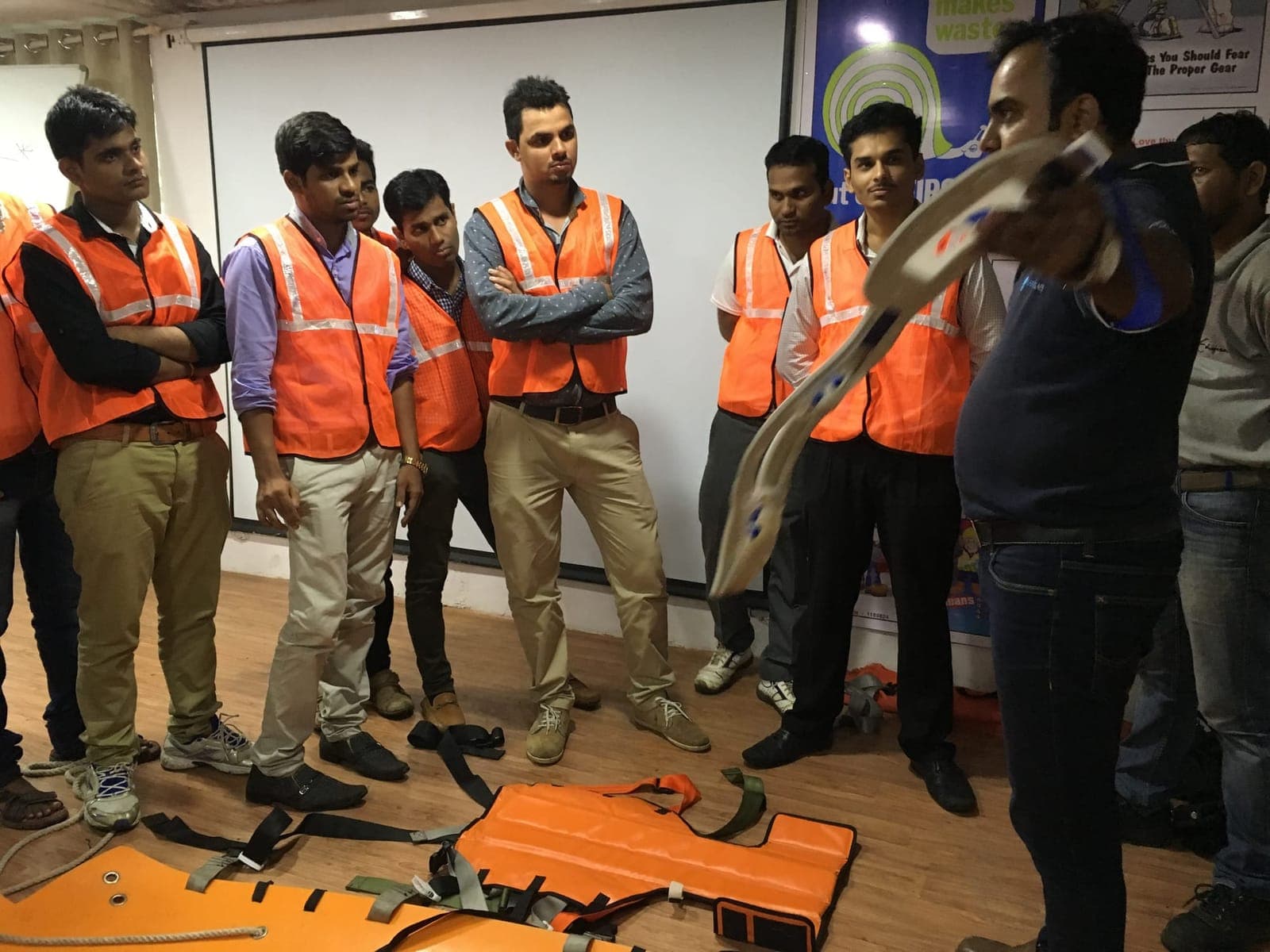
- keep rescue equipment ready, such as poles, ropes and throw lines, and practise using it
- include soft-ground rescue in the site's emergency response plan
Be ready
Few people will ever step into quicksand, but knowing what to do can turn a frightening situation into a manageable one. Share these steps with friends, family and colleagues who walk, work or travel near water.
How Eduforce can help
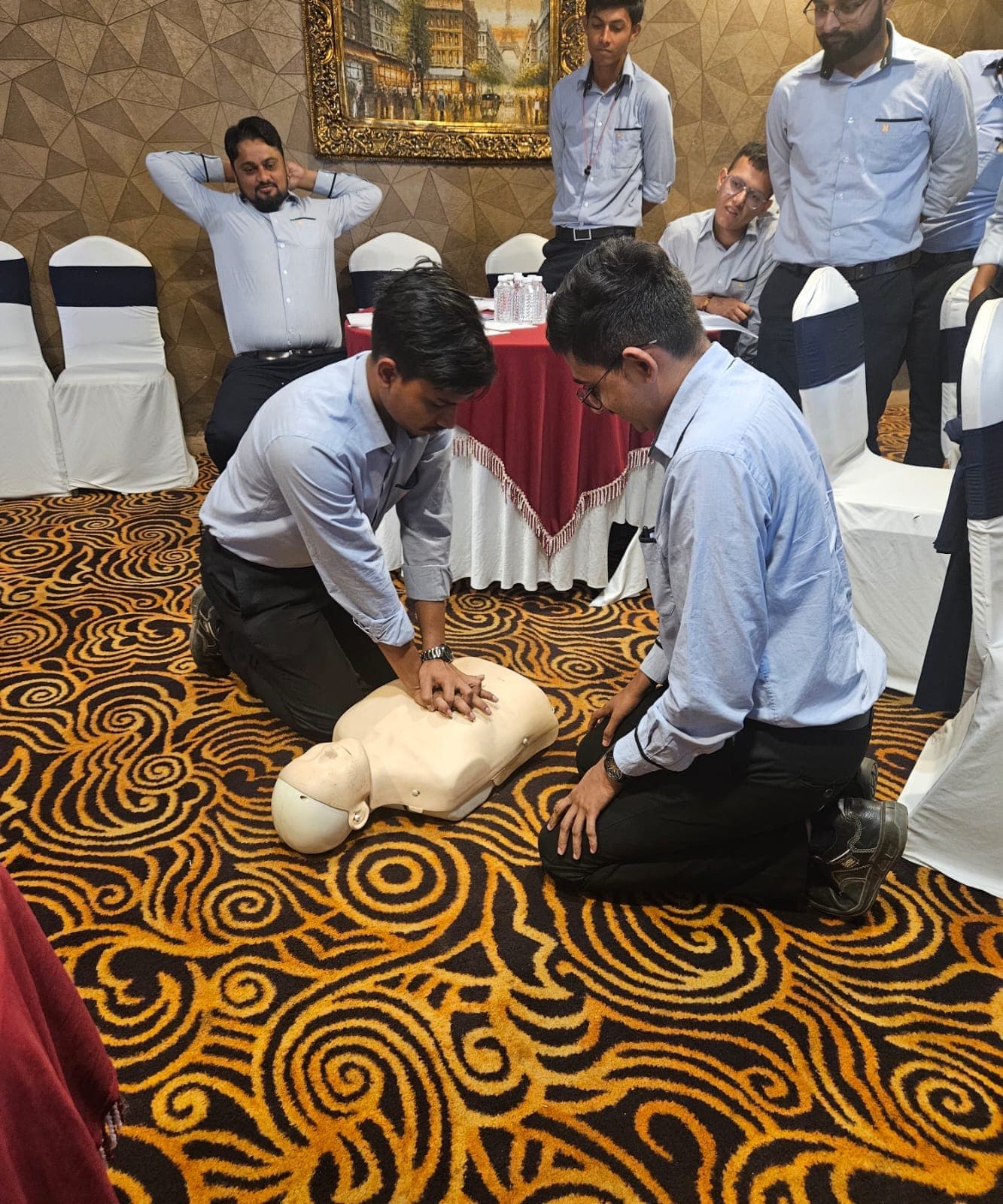
Our Emergency Response Planning training covers identifying credible emergency scenarios for a site and planning the response, and our First Aid with CPR training prepares people to help once a casualty is safe. To arrange training, write to info@eduforce.in or message us on WhatsApp at 8779291591.
In an emergency, call 112.
Related training
Need help developing workplace safety capability?
Talk to Eduforce about training, consultancy and safety solutions.
Eduforce Team
EHS Training & Safety Solutions
Practical safety guidance from the Eduforce trainers and consultants — written from the training centre, the classroom and the site.
More about Eduforce