
Solar PV Site Safety: The Hazards Behind the Panels
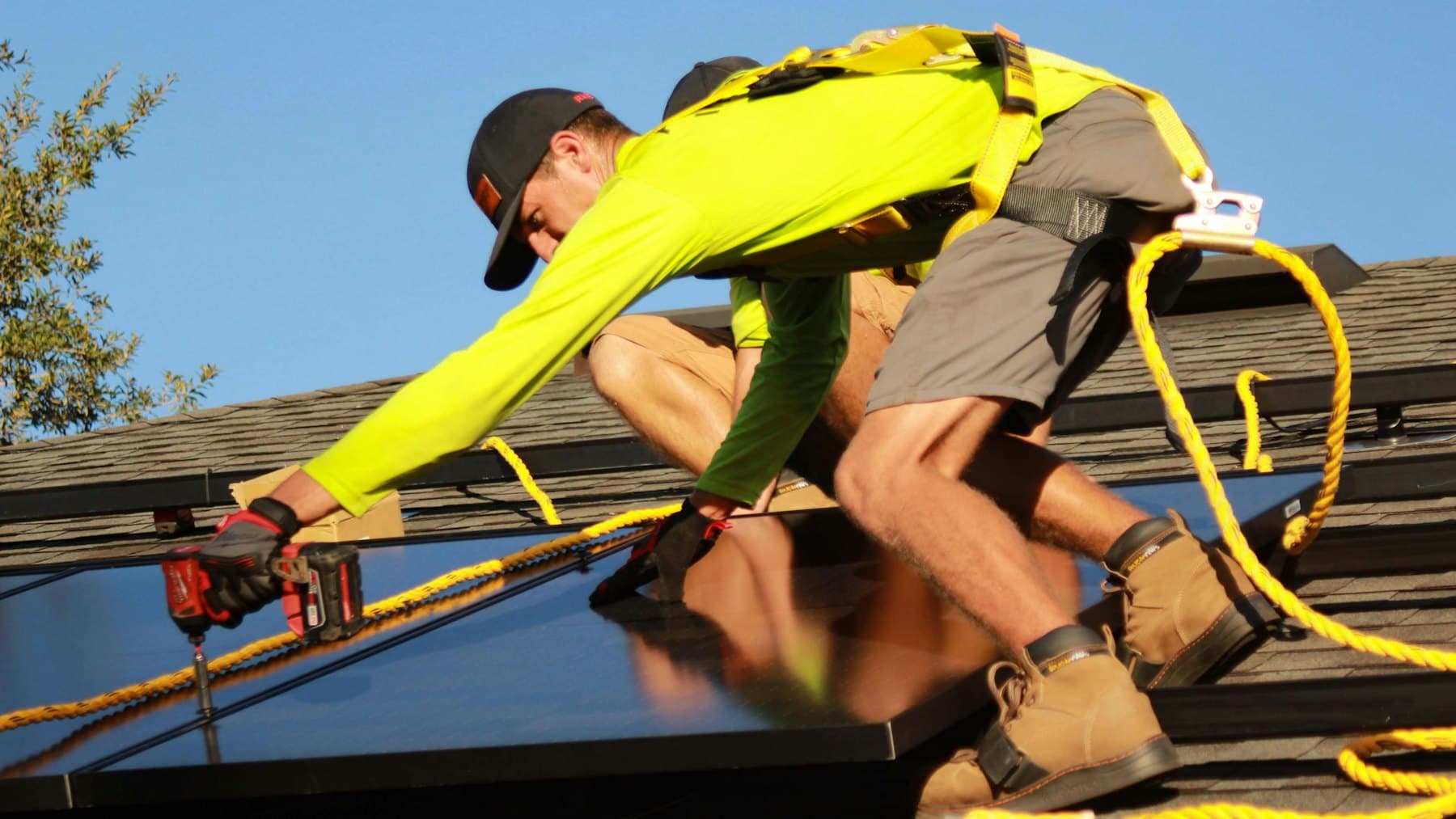
Utility-scale solar looks benign next to a wind turbine or a refinery. It is not. Live DC that cannot be switched off, heat, height and isolation make solar sites their own safety discipline.

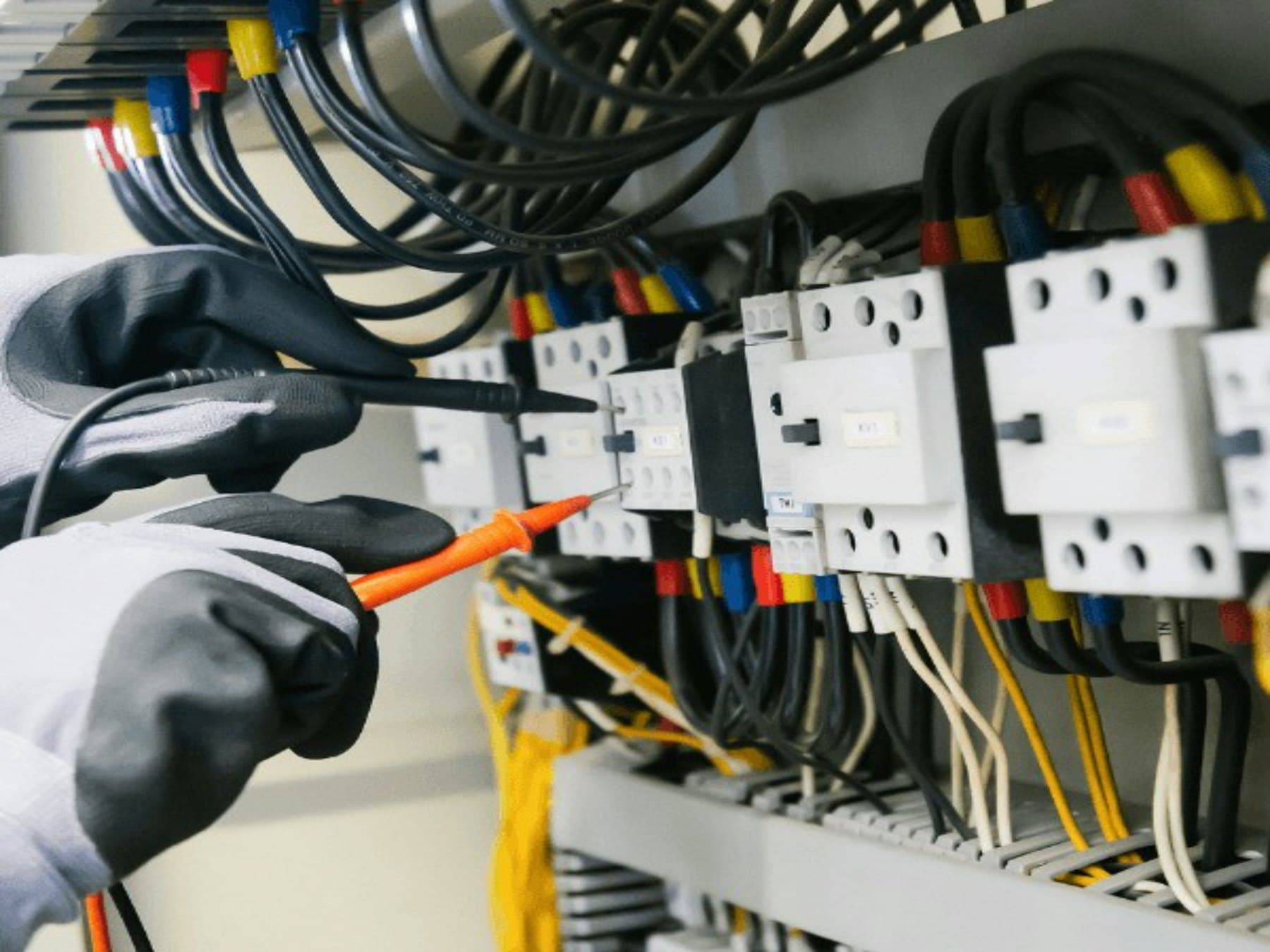
Electrical safety covers the hazards of electrical energy, the isolation discipline that controls them, and the working practices that apply around live and de-energised equipment.
Electrical hazards give little warning, and some cannot be switched off at all: a fallen conductor energises the ground around it, and a solar array produces voltage whenever light falls on it.
The programme is built on one discipline, isolate, lock off and prove dead before touching, and on treating every conductor as live until a competent person confirms otherwise. It also rehearses what to do in the first seconds of an electrical incident, which is practised rather than only described.
Personnel who work on or near electrical equipment
No dates are currently listed for this programme. Tell us when and where you need it and our team will confirm.
Recorded in Eduforce material as “Basic — Electrical Safety”.
Duration, assessment method and the certificate issued vary by programme, and are set out in the written confirmation issued for your engagement. Contact our team for the current details for this programme, including any validity period that applies.

Utility-scale solar looks benign next to a wind turbine or a refinery. It is not. Live DC that cannot be switched off, heat, height and isolation make solar sites their own safety discipline.

A conductor on the ground turns the earth around it into a voltage gradient. Running through that gradient is what kills people — here is what to do instead.
Programmes run at the Eduforce training centre or on your own site. Tell us the roles involved and our team will confirm the details.