
GWO Basic Technical Training (BTT)
Foundation technical skills across mechanical, electrical and hydraulic systems.
The Training
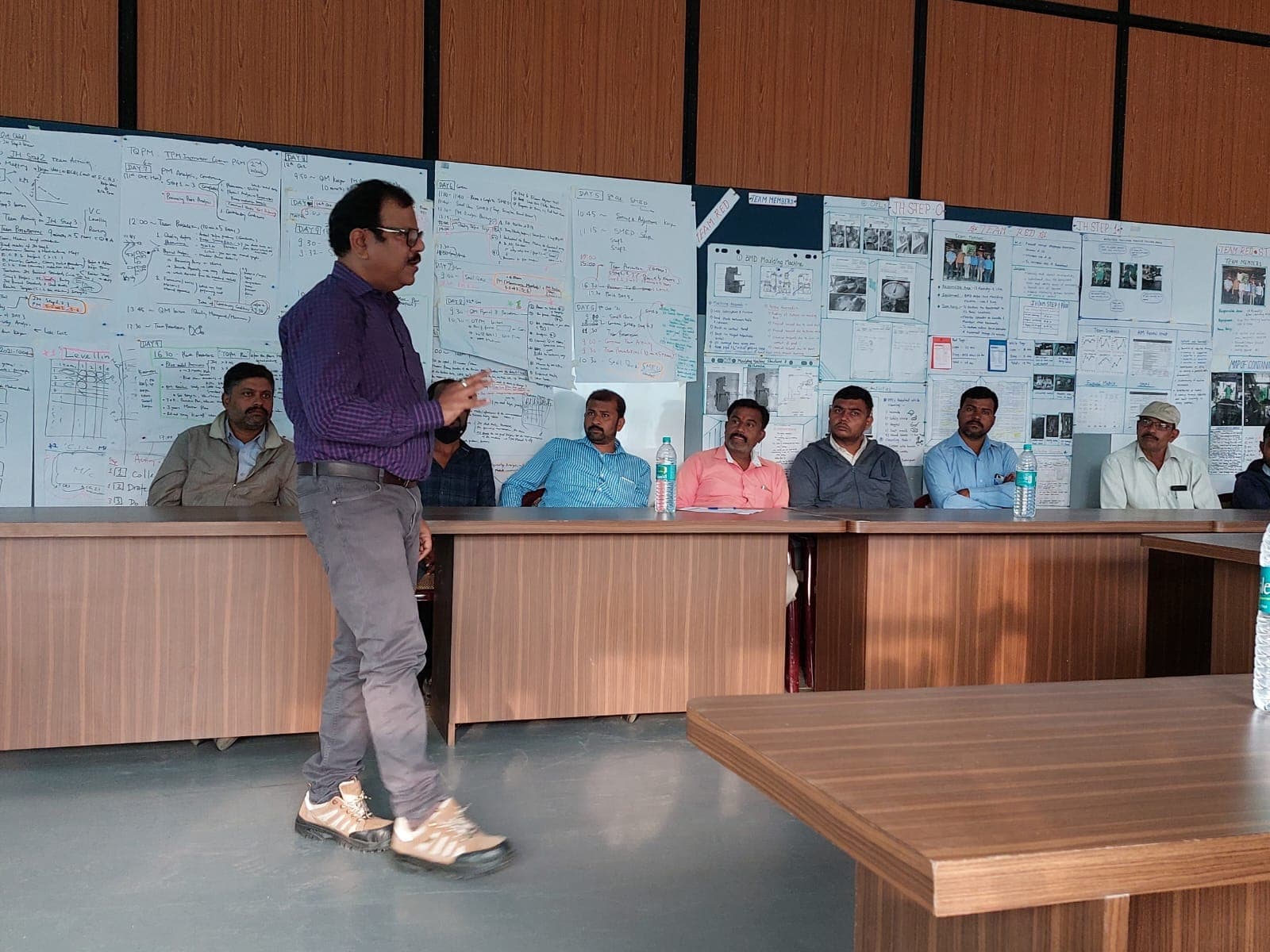
Training overview
Basic Technical Training introduces the systems a wind technician works with and the safe methods used to work on them. Seven modules cover mechanical, electrical and hydraulic systems, powered bolt tightening, mechanical and electrical installation work, and hazardous-energy basic safety.
The standard is written for candidates with no previous experience of these systems, and for people who have technical knowledge from another industry but have not applied it in a wind turbine. Modules may be taken standalone or in combined delivery, which shortens some contact times because shared content is only covered once.
Crucially, the standard is explicit about its own limits: completing Basic Technical Training does not make a participant a trained person permitted to carry out hydraulic, mechanical, electrical, bolt tightening or installation work without supervision. It is the foundation on which company- and turbine-specific technical training is built.
Why this training matters
Most serious technical incidents in a turbine trace back to a system behaving in a way the technician did not expect — stored pressure, a circuit still live, a bolt torqued incorrectly. This training gives people the mental model of each system before they are asked to work on it.
What you will learn
- Recognise the hazards of mechanical, electrical and hydraulic systems and the control measures that apply
- Understand the function of the main components in each system
- Carry out bolt tightening correctly using powered torque and tensioning tools
- Work safely during mechanical and electrical installation activity
- Apply lockout-tagout and hazardous-energy basic safety as an ordinary person
Training pathways
Initial Training
Delivered across the seven modules below, combining classroom theory with supervised practical work. Modules can be taken standalone or in combined delivery, which shortens some contact times.
Training content
GWO BTT Mechanical Training
Foundational awareness of the hazards and control measures for mechanical systems in a wind turbine.
10 hours 30 minutes standalone; 10 hours 15 minutes in combined delivery
View ModuleGWO BTT Electrical Training
Awareness of electrical hazards and safe working practice in wind turbine electrical systems.
10 hours 5 minutes standalone; 9 hours 50 minutes in combined delivery
View ModuleGWO BTT Hydraulics Training
Foundational knowledge of hydraulic system hazards and component functions in a wind turbine.
9 hours 15 minutes standalone; 9 hours in combined delivery
View ModuleGWO BTT Bolt Tightening Training
Carrying out bolt tightening safely and correctly using powered tools.
9 hours standalone; 8 hours 45 minutes in combined delivery
View ModuleGWO BTT Installation Mechanical Training
The mechanical side of wind turbine installation — handling, assembly and completion.
8 hours
View ModuleGWO BTT Installation Electrical Training
The electrical side of wind turbine installation — preparation, assembly and completion.
12 hours 25 minutes
View ModuleGWO BTT Hazardous Energies Basic Safety Training
Basic training on the risks of hazardous energies and acting safely around them.
4 hours standalone; 2 hours when combined with the mechanical, electrical and hydraulic modules
View ModuleKey knowledge
- Gearbox, braking, yaw, cooling and lubrication systems
- Electrical fundamentals, components, circuits and sensor applications
- Hydraulic pumps, actuators, valves, accumulators and stored pressure
- Bolt tightening principles and the consequences of incorrect torque
- Principles of controlling hazardous energies and lockout-tagout
Practical skills
- Correct use of handheld and powered tools
- Torquing and tensioning with electrical and hydraulic tools
- Interpreting hydraulic diagrams and electrical measuring instruments
- Safe handling, storage and lifting during installation activity
Safety and risk awareness
- Stored hydraulic pressure remaining after shutdown
- Live electrical circuits and incorrect isolation
- Incorrect bolt torque compromising structural connections
- Mechanical hazards during installation and pre-assembly
Competencies
- Identify hazards in mechanical, electrical and hydraulic systems and apply control measures
- Select and use the correct tool for a given technical task
- Apply lockout-tagout procedures appropriate to an ordinary person
- Work safely under supervision during installation activity
Key learning outcomes
- Safe working practices around energised systems
- Correct tool selection and use
- Hazardous-energy awareness
- Preparation for company-specific technical training
Practical training
Each module combines classroom theory with supervised practical work, with emphasis on correct method and safe habit.