
Every year on 14 November, World Diabetes Day draws attention to one of the fastest-growing health problems on the planet, a condition that affects millions of people. For 2024, the International Diabetes Federation chose the theme "Diabetes and Well-being", putting quality of life at the centre of diabetes care. Prevention, awareness and early management remain the foundations for tackling the disease.
What diabetes does
Diabetes is a long-term condition in which the body can no longer keep its blood sugar under proper control. If it is not managed, it can gradually damage the heart, kidneys, eyes and nerves, leading to heart disease, kidney problems, loss of vision and nerve damage. Because the harm builds slowly, it is easy to ignore until complications appear, which is exactly why regular checks matter.
Know your risk factors
Recognising the risk factors early helps with prevention and early treatment. The main ones are:
- Inactivity. Too little physical activity raises the risk.
- Family history. Genes play an important part.
- High blood pressure. When it is not controlled, it adds to the strain on the body.
- Long-term stress. Ongoing stress can interfere with the way insulin works.
- High cholesterol, often linked to an unhealthy diet.
- Excess weight. Obesity is one of the biggest risk factors for type 2 diabetes.
Lowering your risk
A few simple habits make a real difference:
- Move more. Aim for at least 30 minutes of moderate activity every day.
- Eat a balanced diet. Base meals on whole grains, fresh vegetables, lean protein and healthy fats.
- Get checked. Have your blood sugar, cholesterol and blood pressure tested regularly.
- Manage stress. Mindfulness, yoga and relaxation techniques all help.
- Keep to a healthy weight. If you need to lose weight, do it gradually and in a way you can keep up.
Diabetes and the workplace
Many people with diabetes manage it well at work. A few simple measures help everyone:
- Health checks that include blood sugar can pick up diabetes early.
- Regular meal and medication times matter, especially for shift workers and people on long site days, so plan breaks with this in mind.
- Canteen choices with less sugar and more whole foods support healthier eating.
- Movement during the day, such as short walks and stretch breaks, helps counter long hours of sitting.
- First aiders should know how to recognise and respond to a diabetic emergency.
- A quick source of sugar, such as glucose tablets or a sugary drink, can be kept with first aid supplies.
- Awareness sessions around World Diabetes Day are a good moment to remind everyone of the risk factors and the signs of a diabetic emergency.
If you have diabetes, consider letting your supervisor or first aider know, carry some form of medical identification, and keep a quick source of sugar with you.
First aid for a diabetic emergency
Knowing what to do in a diabetic emergency, whether someone's blood sugar has dropped too low (hypoglycaemia) or a person with diabetes has become unconscious, can save a life.
Signs to look out for:
- sweating
- shakiness or trembling
- pale skin
- sudden confusion, dizziness, or a change in mood or behaviour
- hunger, or extreme thirst
- seizures
- unconsciousness
How to help:
- Look for a medical ID bracelet, card or tag that shows the person has diabetes.
- If they are conscious and show signs of low blood sugar, give them something sugary to eat or drink. If you're not sure whether their sugar is high or low, give something sugary anyway, as long as they are conscious and can swallow safely.
- Call 112 if they become unconscious, have a seizure, or their symptoms get worse.
- Never give food or drink to someone who is unconscious. If they are breathing, place them in the recovery position and stay with them until help arrives.
How Eduforce can help
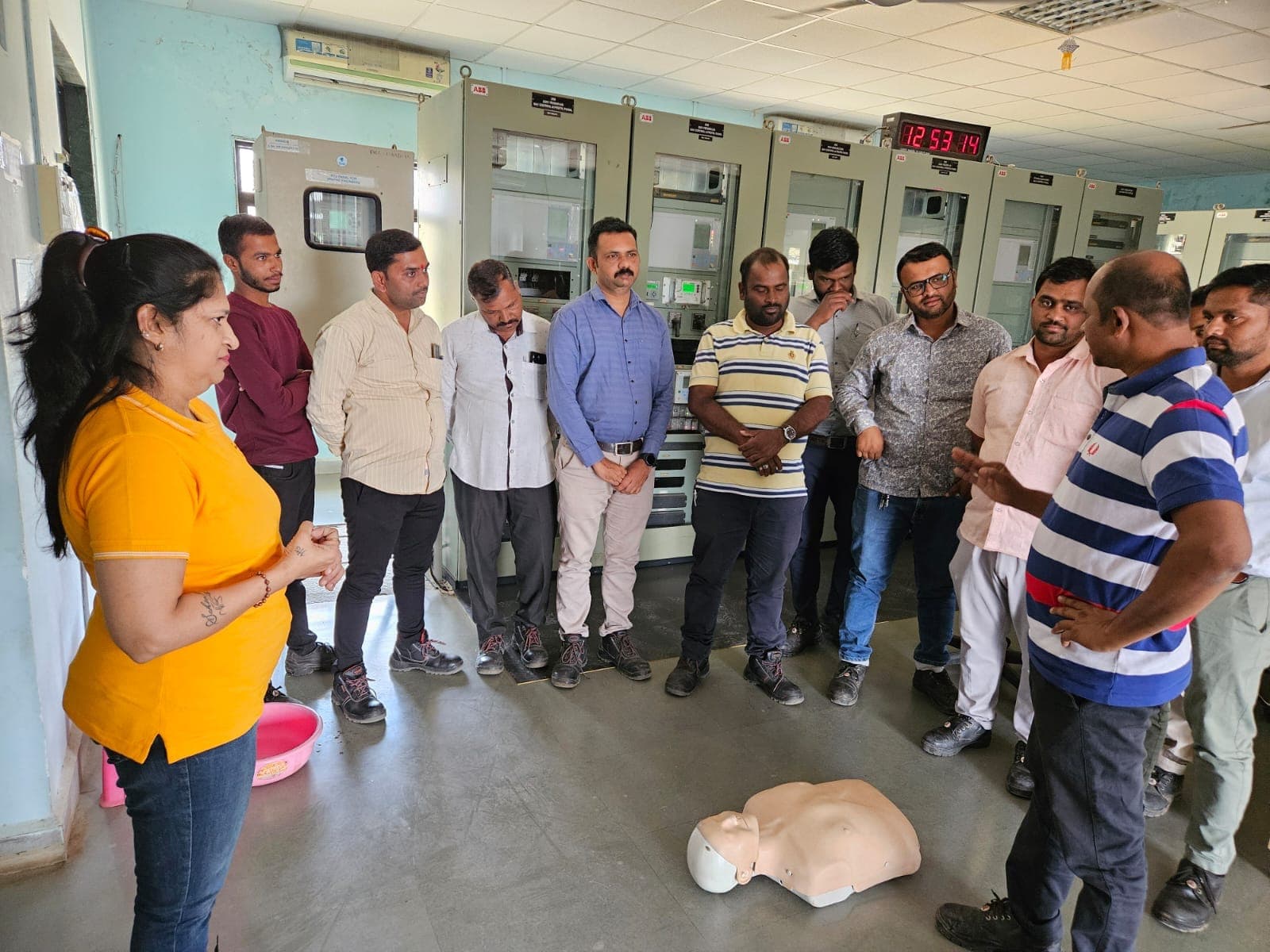
Our First Aid with CPR training and Basic First Aid Certification training prepare people to recognise and respond to medical emergencies, including diabetic ones, and our Diet and Nutrition training helps people make informed choices about their health.
You can find us at B-31, Minerva Industrial Estate, Bharat Ratna K. Kamaraj Marg, Near Asha Nagar, Behind Sai Dham Temple, Opposite JMK Gym, Mulund West, Mumbai Suburban, Maharashtra – 400080, India. Write to info@eduforce.in or message us on WhatsApp at 8779291591, or explore our first aid and medical programmes.
The fight against diabetes is not for one day a year. Small steps, taken every day, add up.
This article is for general awareness and does not replace medical advice. In an emergency, call 112.
Related training
Need help developing workplace safety capability?
Talk to Eduforce about training, consultancy and safety solutions.
Eduforce Team
EHS Training & Safety Solutions
Practical safety guidance from the Eduforce trainers and consultants — written from the training centre, the classroom and the site.
More about Eduforce