
Diabetes, high cholesterol and obesity are among the most common long-term health conditions in India, and many adults live with more than one of them. Each raises the risk of a heart attack on its own. Together, they can make heart disease start earlier, progress faster and return after treatment, sometimes with new blockages forming in different arteries.
This article explains how these risk factors combine, why heart disease is harder to predict in some people than in others, which warning signs to watch for, and the practical steps that lower the risk, at home and at work.
Why some cases are hard to predict
Heart disease does not follow the same course in everyone. Two people with similar test results can have very different outcomes, and some patients keep developing new narrowings in their arteries despite treatment. Long-standing diabetes, particularly when insulin is needed, and obesity are among the factors that can make the disease more aggressive and harder to control.
Medicine has made enormous progress in treating heart attacks, but it still cannot fully predict how every patient's disease will behave. That is one reason why prevention, regular follow-up and continuing research all matter.
Why risk factors combine
Each of these conditions raises the risk of heart disease on its own:
- Diabetes damages blood vessels over time and makes the arteries more prone to blockages.
- High cholesterol contributes to fatty deposits building up inside the artery walls.
- Obesity puts extra strain on the heart and is closely linked to diabetes, high blood pressure and high cholesterol.
When several are present together, the risks do not simply add up. They reinforce each other. That is why doctors focus on the whole picture, not on one number at a time.
What helps
While some cases remain hard to explain, most people can lower their risk considerably:
- Know your numbers. Regular checks of blood sugar, cholesterol, blood pressure and weight pick up problems early.
- Take prescribed medicines as directed, and do not stop them without speaking to your doctor.
- Eat well, with more vegetables, pulses and whole grains, and less sugar, salt and fried food.
- Move every day, in ways that suit your health and fitness.
- Do not smoke, and keep alcohol to a minimum.
- Keep follow-up appointments after any heart problem, and report new symptoms early.
Never ignore warning signs
People with diabetes may have fewer or less typical heart attack symptoms, so it is especially important to take any warning signs seriously:
- chest pain, pressure or discomfort
- pain spreading to the arm, jaw, neck or back
- breathlessness
- sweating, nausea or light-headedness
- unusual tiredness
If these appear, call 112 straight away.
Questions to ask your doctor
If you live with diabetes, high cholesterol or excess weight, a few questions can help you understand your own risk:
- What are my current blood sugar, cholesterol and blood pressure numbers, and what should they be?
- How often should I have them checked?
- Do my medicines need reviewing?
- What kind of exercise is safe for me, and how much?
- Which symptoms should make me seek help straight away?
What it means for the workplace
Many employees live with diabetes, high cholesterol or excess weight, often without anyone at work knowing. Employers can help by:
- offering periodic health checks that include blood sugar, cholesterol and blood pressure
- making healthier food available in canteens
- encouraging movement and regular breaks
- making it easy for staff to attend medical appointments
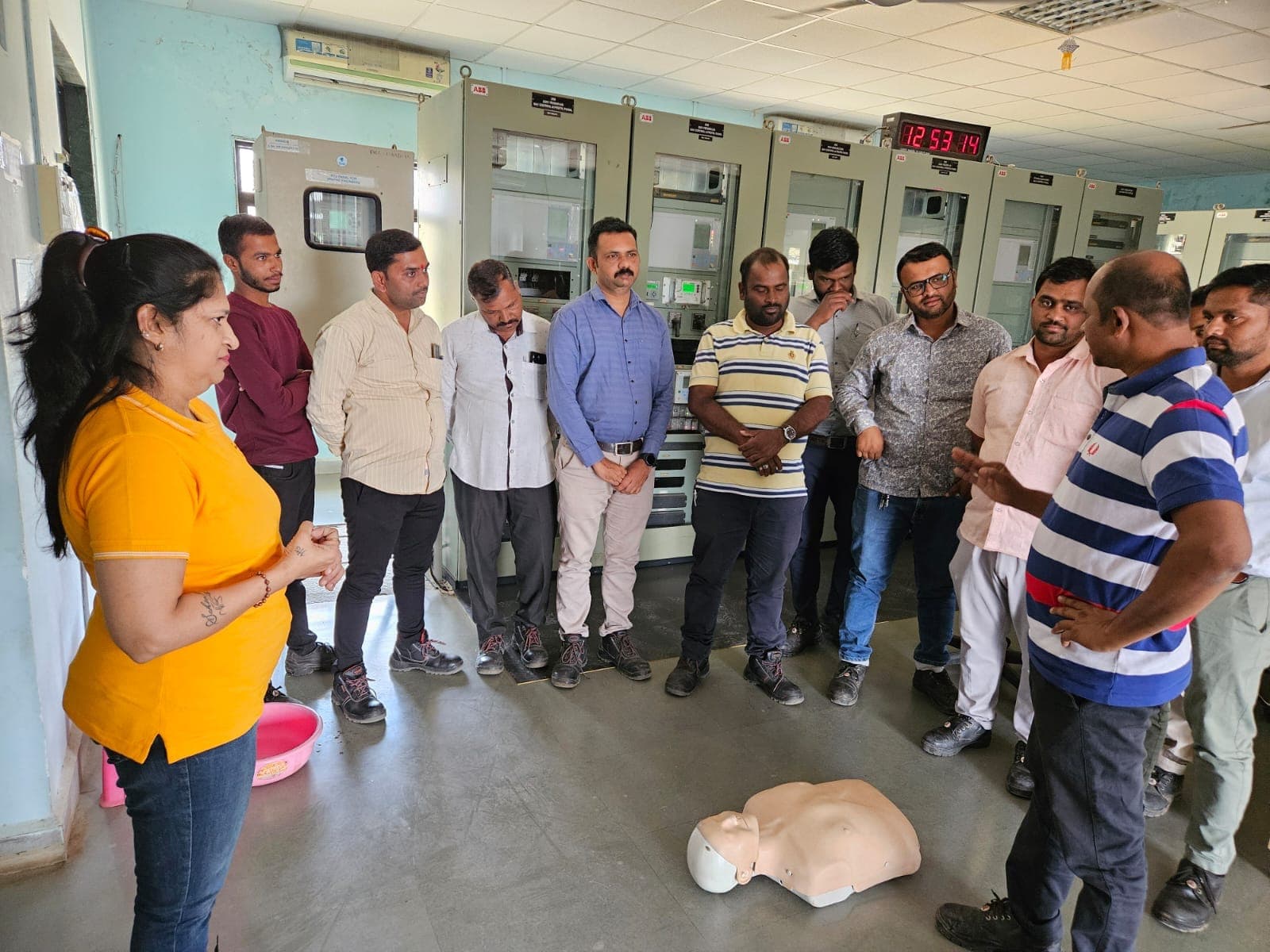
- training first aiders to recognise a heart attack and respond, including with CPR and an AED
A prompt for all of us
Heart disease can be unpredictable, even with good medical care. For all of us, that is a prompt to take our own risk factors seriously, while there is still time to change them. A health check this month, a conversation with your doctor and one or two lasting changes to diet and activity are a good place to start.
How Eduforce can help
Our First Aid with CPR training prepares workplace responders to act if a colleague collapses, and our Diet and Nutrition training helps people make informed choices about their health. To arrange a session, write to info@eduforce.in or message us on WhatsApp at 8779291591.
This article is for general awareness and does not replace medical advice. In an emergency, call 112.
Related training
Need help developing workplace safety capability?
Talk to Eduforce about training, consultancy and safety solutions.
Eduforce Team
EHS Training & Safety Solutions
Practical safety guidance from the Eduforce trainers and consultants — written from the training centre, the classroom and the site.
More about Eduforce