
Heart disease is now the single biggest cause of medically certified deaths in Maharashtra. Figures reported by The Times of India in September 2023 show how serious the problem has become, and who is most at risk. This article sets out those figures, the factors behind them, and what each of us, and every workplace, can do.
The figures for 2022
- Maharashtra recorded about 7.8 lakh deaths in 2022.
- Of these, 3.1 lakh had a medically certified cause.
- Almost half of the certified deaths, 47%, were due to diseases of the circulatory system, mostly heart disease.
- 81% of the heart-related deaths were among men.
- Ischaemic heart disease, in which narrowed arteries starve the heart of blood, accounted for about 62,000 deaths.
- People aged 55 to 64 were the most affected age group.
- 253 children also died of heart-related causes.
In other words, roughly one in every two certified deaths in the state was linked to the heart and blood vessels.
What is driving it
Several risk factors stand out:
- Diabetes. It has become one of the leading contributors, and it can cause so-called silent heart attacks that pass with few or no obvious symptoms.
- Stress. The pace of modern life and work keeps many people under constant pressure.
- Smoking among young women, which is on the rise.
- Alcohol misuse, mainly among men.
- High blood pressure in younger people. Once seen mostly in older adults, it is now affecting people much earlier in life.
What you can do
1. Know your numbers and your habits. Keep track of your blood sugar, blood pressure and stress levels, and be honest about smoking and drinking. Regular check-ups catch problems before they cause harm.
2. Learn the warning signs of a heart attack. Recognising them early, in yourself or someone else, can save a life. Watch for:
- pain, pressure or tightness in the chest
- pain spreading to the arm, jaw, neck or back
- breathlessness
- sweating, nausea or light-headedness
Remember that people with diabetes may have few symptoms. If you suspect a heart attack, call 112 straight away.
3. Change what you can. Stop smoking, cut down on alcohol, stay active and find healthy ways to manage stress.
What this means for workplaces
With most heart-related deaths among men, and many of them in their working years, employers have a real part to play:
- Screen for risk. Offer periodic health checks that include blood pressure and blood sugar.
- Support healthier habits. Help people stop smoking, encourage movement during the day, and offer healthier food in canteens.
- Reduce avoidable stress. Reasonable workloads, fair targets and supportive supervision all help.
- Be ready for an emergency. Train first aiders on every shift, make sure everyone knows to call 112, and keep an AED where people can reach it quickly.
- Talk about it. Short toolbox talks on the warning signs of a heart attack can make the difference between waiting and acting.
- Reach every shift. Night-shift staff, drivers and site teams often find it hardest to attend check-ups, so take screening and awareness sessions to them.
A simple plan for the next month
- Book a health check that includes blood pressure and blood sugar, for yourself or for an older family member.
- Learn the warning signs of a heart attack, and share them with your family.
- Find out where the nearest AED is at your workplace, and who your trained first aiders are.
- If you smoke, set a date to stop, and ask your doctor for support.
- Choose one daily habit to change, such as a 20-minute walk or less salt at dinner.
How Eduforce can help
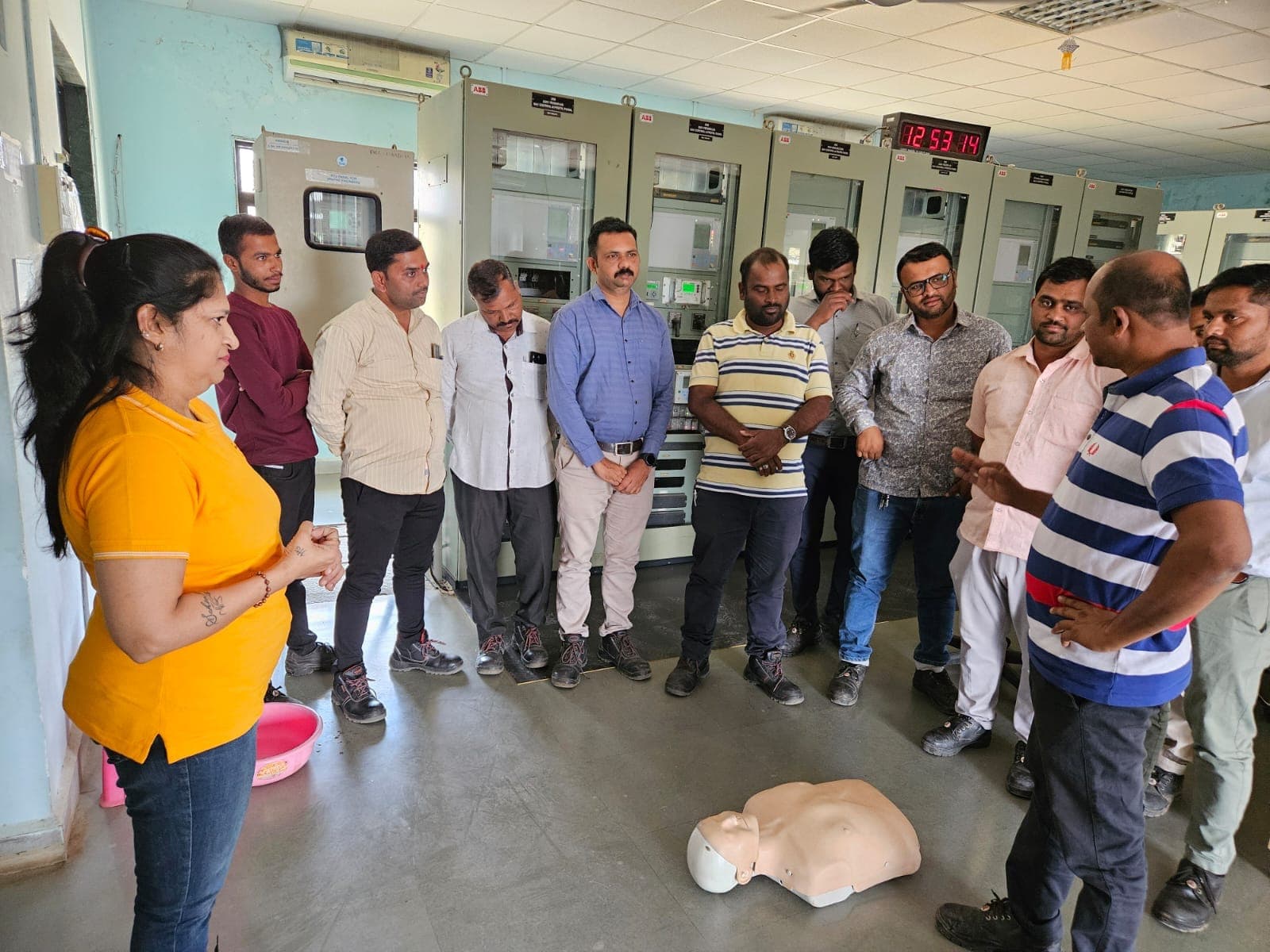
Our First Aid with CPR training prepares workplace responders to assess a casualty, act on life-threatening findings and hand over to professional help. Basic Life Support (BLS) training builds the full response to a cardiac arrest, and Stress Management training helps people recognise and reduce sustained pressure. You can also explore all our training programmes and our consultancy and audit services.
To arrange training, write to info@eduforce.in or message us on WhatsApp at 8779291591.
Looking after the heart, together
These numbers describe our families, colleagues and neighbours. By paying attention to our own health, knowing the warning signs and preparing our workplaces, we can help make Maharashtra a healthier and safer place.
This article is for general awareness and does not replace medical advice. In an emergency, call 112.
Related training
Need help developing workplace safety capability?
Talk to Eduforce about training, consultancy and safety solutions.
Eduforce Team
EHS Training & Safety Solutions
Practical safety guidance from the Eduforce trainers and consultants — written from the training centre, the classroom and the site.
More about Eduforce

