
Can switching to a vegetarian diet improve heart health in people who are already at risk? A large review of clinical trials, published in July 2023, suggests that it can make a measurable difference.
This article explains what the research found, what it does and does not show, and what it means for people managing their heart health, including at work.
The study
The research was a systematic review and meta-analysis by Wang and colleagues, published in JAMA Network Open in 2023: "Vegetarian Dietary Patterns and Cardiometabolic Risk in People With or at High Risk of Cardiovascular Disease".
The researchers pooled the results of 20 randomised controlled trials involving 1,878 adults who either had cardiovascular disease or were at high risk of it. The trials took place between 1990 and 2021 across the US, Europe, Asia and New Zealand, with between 12 and 291 participants each. The average ages of participants ranged from 28 to 64.
The trials included people in three groups:
- four studies of people with cardiovascular disease
- seven studies of people with diabetes
- nine studies of people with at least two cardiovascular risk factors
The vegetarian diets tested included vegan diets (only plant foods), lacto-ovo-vegetarian diets (no meat, poultry or seafood, but dairy and eggs allowed) and lacto-vegetarian diets (no meat, poultry, seafood or eggs, but dairy allowed).
What it found
Compared with other diets, people who followed a vegetarian diet for about six months on average saw greater reductions in three important risk factors:
| Measure | Average extra reduction |
|---|---|
| LDL ("bad") cholesterol | 6.6 mg/dL |
| HbA1c, a measure of long-term blood sugar | 0.24% |
| Body weight | 3.4 kg |
The researchers noted that the largest improvements in HbA1c and LDL cholesterol were seen in people with type 2 diabetes and those at high risk of cardiovascular disease, suggesting that vegetarian diets may have a useful role in preventing heart disease in these groups.
One measure did not change: the review found no significant effect on systolic blood pressure.
Understanding the numbers
LDL cholesterol carries cholesterol in the blood, and high levels contribute to the build-up of fatty deposits in artery walls. HbA1c reflects average blood sugar over the previous two to three months, and is one of the main measures used to monitor diabetes. A few kilograms of weight loss can also ease the strain on the heart. None of these changes is dramatic on its own, but together, and sustained over time, they add up.
Why it matters
A poor diet is a well-established contributor to heart disease and to deaths from it. Earlier research had linked vegetarian diets with heart health in the general population, but there was less evidence for people who were already at high risk. This review helps to fill that gap.
What it does not mean
- It is not a substitute for treatment. The trials tested diet changes, not stopping medication. Anyone taking medicine for cholesterol, blood sugar or blood pressure should keep taking it unless their doctor advises otherwise.
- Not every vegetarian diet is healthy. A diet of fried snacks, sweets and refined flour can be vegetarian and still harmful. Whole grains, pulses, vegetables, fruit, nuts and seeds are what make the difference.
- Changes should be discussed with a doctor, especially for people with diabetes, whose medication may need adjusting as their diet changes.
Practical steps
For many people in India, a largely vegetarian diet is already familiar. Small changes can make it healthier:
- build meals around vegetables, dals and whole grains
- cut down on fried foods, sweets and sugary drinks
- use less salt and less oil in cooking
- choose fruit, nuts or roasted chana as snacks
- keep regular meal times, even on busy working days
At work
Workplaces can support healthier eating with canteen menus that offer wholesome vegetarian options, clear information about food choices, regular health checks that include cholesterol and blood sugar, and time for proper meal breaks.
How Eduforce can help
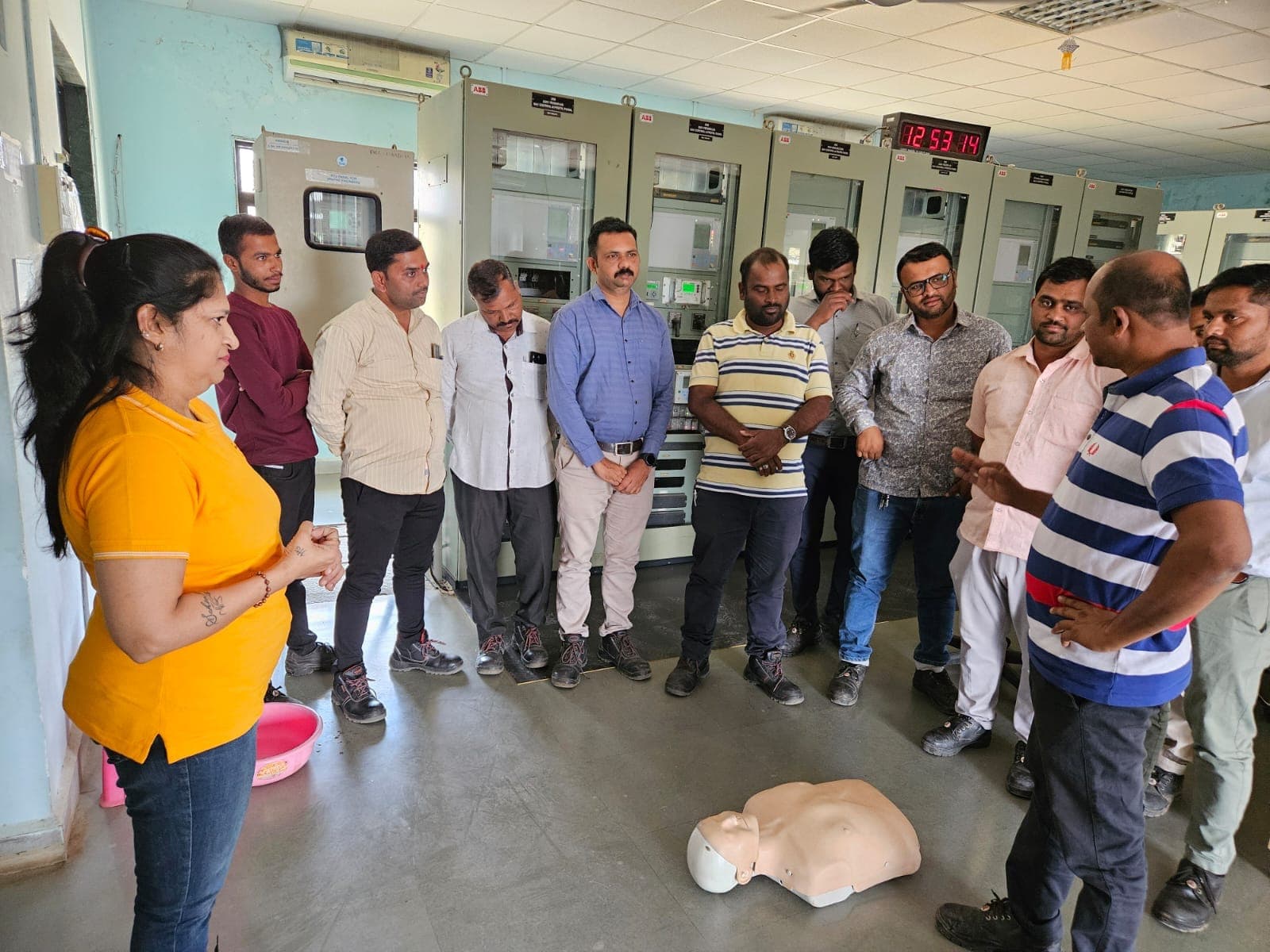
Our Diet and Nutrition training helps people make informed choices about their health and closes the knowledge gaps behind common diet-related problems. Because heart disease can still lead to emergencies, our First Aid with CPR training prepares people to respond if a colleague collapses. To arrange a session, write to info@eduforce.in or message us on WhatsApp at 8779291591.
This article is for general awareness and does not replace medical advice.
Related training
Need help developing workplace safety capability?
Talk to Eduforce about training, consultancy and safety solutions.

Eduforce Team
EHS Training & Safety Solutions
Practical safety guidance from the Eduforce trainers and consultants — written from the training centre, the classroom and the site.
More about Eduforce