

New treatments for heart disease are always worth understanding, because so many families are affected by it. One procedure that has drawn attention is coronary laser angioplasty, which uses laser energy to clear blockages inside the arteries of the heart without opening the chest. This article explains what it is, how it compares with bypass surgery, and what it means for the rest of us, at home and at work.
The problem it treats
In coronary artery disease, fatty deposits build up on the inside walls of the arteries that supply the heart. As they grow, they narrow the arteries and reduce the flow of blood to the heart muscle. Left untreated, this can lead to serious problems, including heart attacks and heart failure.
For many years, a common treatment for significant blockages has been coronary artery bypass grafting (CABG), usually called bypass surgery. It is open-heart surgery: the surgeon takes a blood vessel from elsewhere in the body and uses it to route blood around the blocked section.
How laser angioplasty works
Laser angioplasty takes a different route. It is a minimally invasive procedure: instead of opening the chest, doctors pass a fine catheter carrying a laser through a small incision and guide it to the blocked part of the coronary artery. The laser delivers short bursts of focused energy that vaporise the fatty build-up, opening the artery so blood can flow properly again.
How it compares with open-heart surgery
Because the chest is not opened, laser angioplasty has several potential advantages over bypass surgery:
- A much smaller wound. A small incision replaces a large cut through the chest, which means less trauma to the body.
- A quicker recovery. Patients can often get back to their usual routine sooner than after open-heart surgery.
- Lower surgical risk for some patients. Avoiding open-heart surgery reduces the risks that come with it, which can make treatment possible for some people who are not good candidates for an operation.
- Relief from symptoms. Restoring blood flow can ease chest pain and breathlessness and improve day-to-day quality of life.
- Fewer complications in suitable cases. Compared with major surgery, a less invasive procedure can carry a lower risk of complications.
It is important to keep this in perspective. Not every blockage, and not every patient, is suited to the same treatment. Whether someone needs medicines, a stent, laser angioplasty or bypass surgery depends on their arteries and their overall health, and that decision belongs with their cardiologist.
Why prevention still matters most
Better treatments are welcome, but the best outcome is never needing one. The habits that protect the heart remain the same: not smoking, staying active, eating sensibly, and keeping blood pressure, blood sugar and cholesterol under control with regular check-ups.
Just as important is knowing the warning signs. Chest pain or pressure, pain spreading to the arm, jaw or back, breathlessness, sweating or nausea are reasons to call 112 straight away, not to wait.
What it means for workplaces
Heart disease affects people of working age, and employers have a part to play both before and after an emergency:
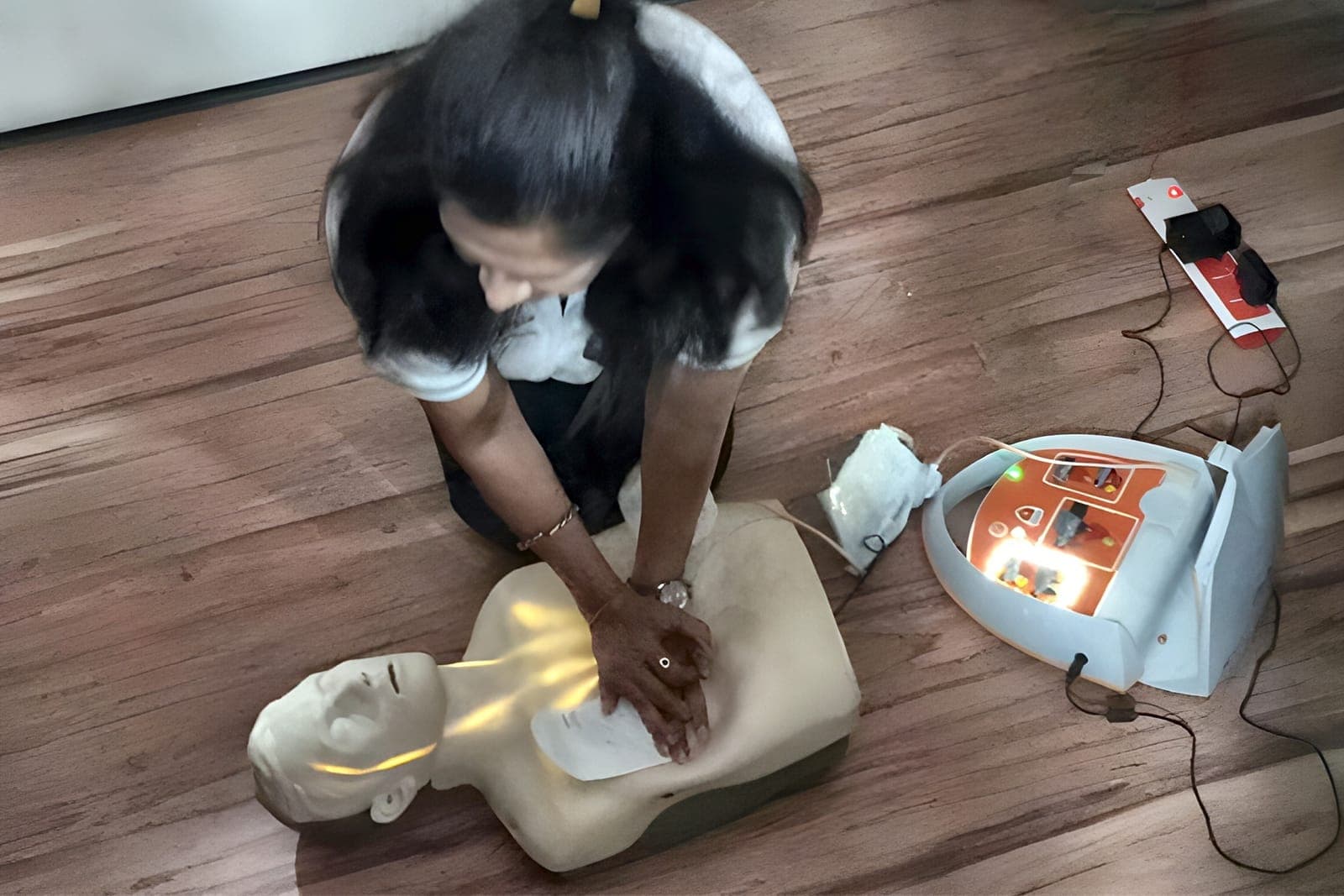
- Be ready for a collapse. Have trained first aiders on every shift, know where the nearest AED is, and practise your emergency response, because no treatment in hospital can help someone who does not survive the first few minutes.
- Encourage early reporting. Make it easy for staff to mention chest pain or breathlessness and to see a doctor promptly.
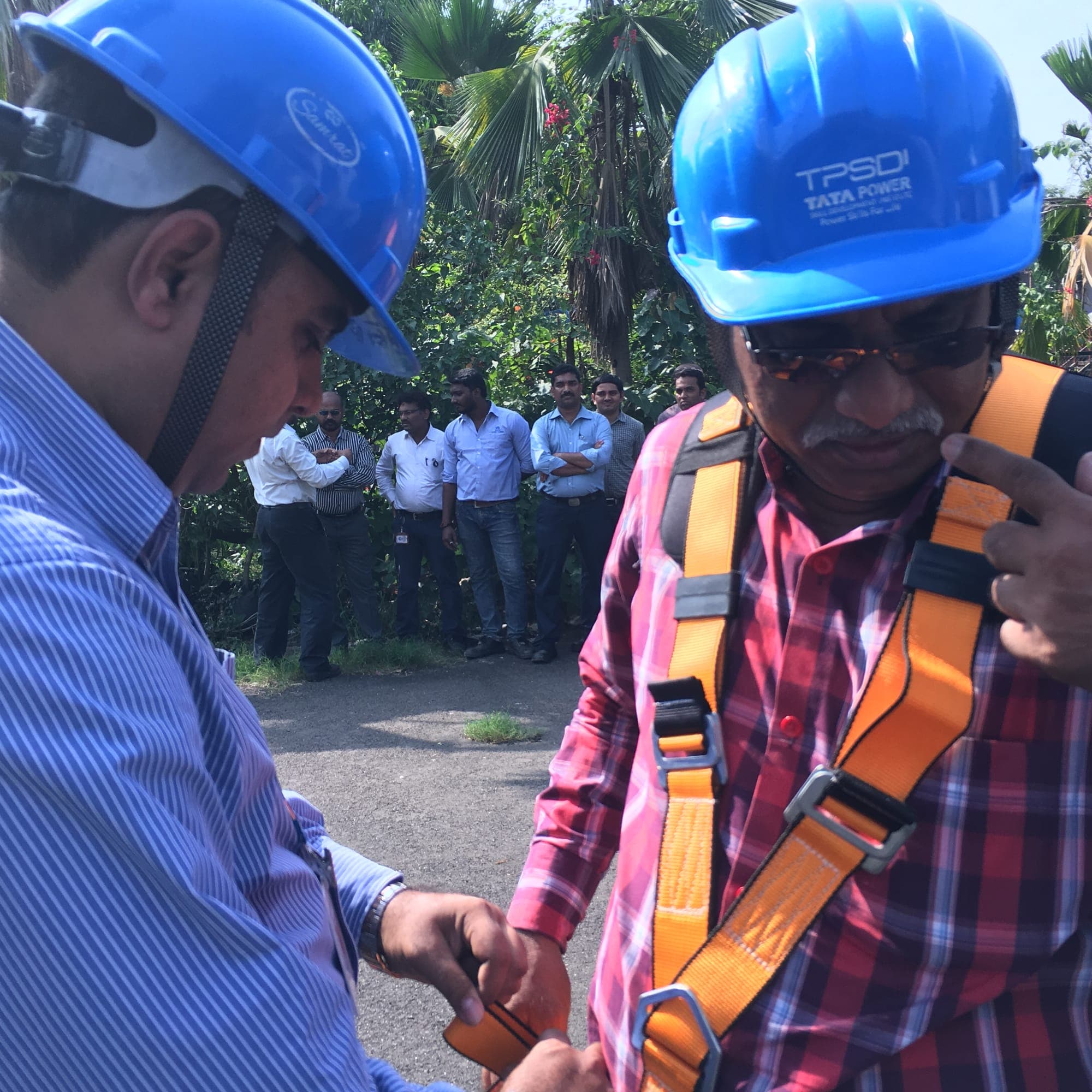
- Support a safe return to work. After any heart procedure, follow the treating doctor's advice on when and how someone returns. For safety-critical roles, such as working at height, driving or operating heavy machinery, get medical clearance before they resume those duties.
- Promote healthy habits. Breaks for movement, healthier food choices and support to stop smoking all help.
Share what you have learned
Many people still assume that open-heart surgery is the only option for a blocked artery. If this article has been useful, share it with family and friends, and encourage anyone with heart symptoms or risk factors to talk to their doctor about the options available to them.
Be ready to respond
Advances in treatment only help people who reach hospital. Our First Aid with CPR training prepares workplace responders to recognise an emergency, give CPR and hand over to professional help, and our Basic Life Support (BLS) training builds the full sequence for managing a cardiac arrest. To arrange a session, write to info@eduforce.in or message us on WhatsApp at 8779291591.
This article is for general awareness and does not replace medical advice. Decisions about treatment should be made with a qualified cardiologist. In an emergency, call 112.
Related training
Need help developing workplace safety capability?
Talk to Eduforce about training, consultancy and safety solutions.
Eduforce Team
EHS Training & Safety Solutions
Practical safety guidance from the Eduforce trainers and consultants — written from the training centre, the classroom and the site.
More about Eduforce