
Emergency departments have been seeing more and more people arrive with chest pain, many of them convinced they are having a heart attack. That caution is understandable, and seeking help quickly is the right instinct. But it helps to know what doctors are actually looking for when you arrive, and why one blood test, the troponin test, plays such a large part in the answer.
What troponin is
Troponins are proteins found inside heart muscle cells. When the heart muscle is injured or put under severe strain, as happens during a heart attack (known medically as a myocardial infarction), troponin leaks out of the damaged cells and into the bloodstream.
A troponin test measures how much of it is in a blood sample. Raised levels tell doctors that the heart muscle has been damaged, and the amount helps them judge how serious that damage is. That is why the test has become one of the most important tools for deciding whether chest pain is a heart attack.
Why one test is not the whole story
A troponin result is not read on its own. Doctors combine it with the patient's symptoms, an examination, an ECG (a recording of the heart's electrical activity) and often a repeat blood test a few hours later, to see whether the level is rising or falling. Only the full picture gives a reliable diagnosis.
This matters because chest discomfort has many possible causes besides the heart, such as strained muscles, acidity or anxiety. Some of these are harmless; others still need treatment. Working out which is which is a job for a doctor, not for guesswork at home or at work.
Heart attack symptoms are not always dramatic
Many people picture a heart attack as sudden, crushing chest pain. It can be, but it often is not. Symptoms to take seriously include:
- Discomfort in the chest that feels like pressure, squeezing or fullness, and that may come and go rather than stay constant
- Pain that spreads to one or both arms, the neck, jaw, back or upper stomach
- Breathlessness, even with very little exertion
- A cold sweat, often with a sense of anxiety or dread
- Feeling sick or vomiting
- Light-headedness or dizziness, sometimes leading to fainting
Any of these, especially in combination, is a reason to call 112.
What the rise in chest pain visits tells us
Doctors have noted a jump in emergency visits for chest pain, and in the number of troponin tests being ordered, without a matching rise in patients who need angioplasty, the procedure used to open blocked or narrowed heart arteries. In other words, more people are being checked, but a large share of them turn out not to have a heart attack that needs urgent intervention.
That is not a reason to stay at home. Greater awareness of heart health is a good thing, and nobody can rule out a heart attack by themselves. The lesson is balance: take chest pain seriously, get checked promptly, and trust the assessment rather than assuming the worst or the best.
What this means at work
Chest pain at work raises the same question: is this serious? The safest answer is to treat it as serious until a doctor says otherwise.
- Do not wait it out. If a colleague has chest pain with any of the symptoms above, call 112 straight away.
- Do not let them drive themselves to hospital, and do not leave them alone.
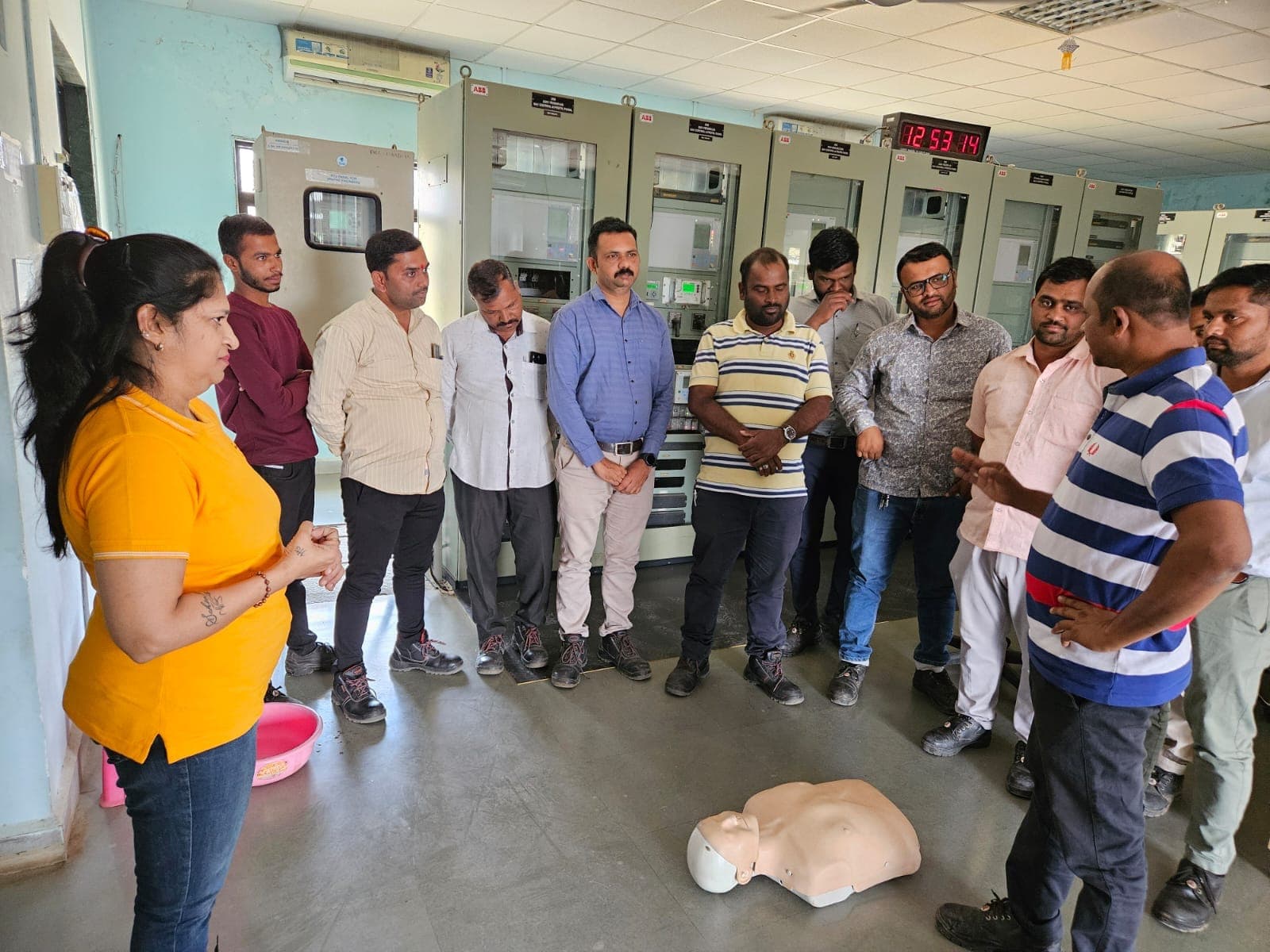
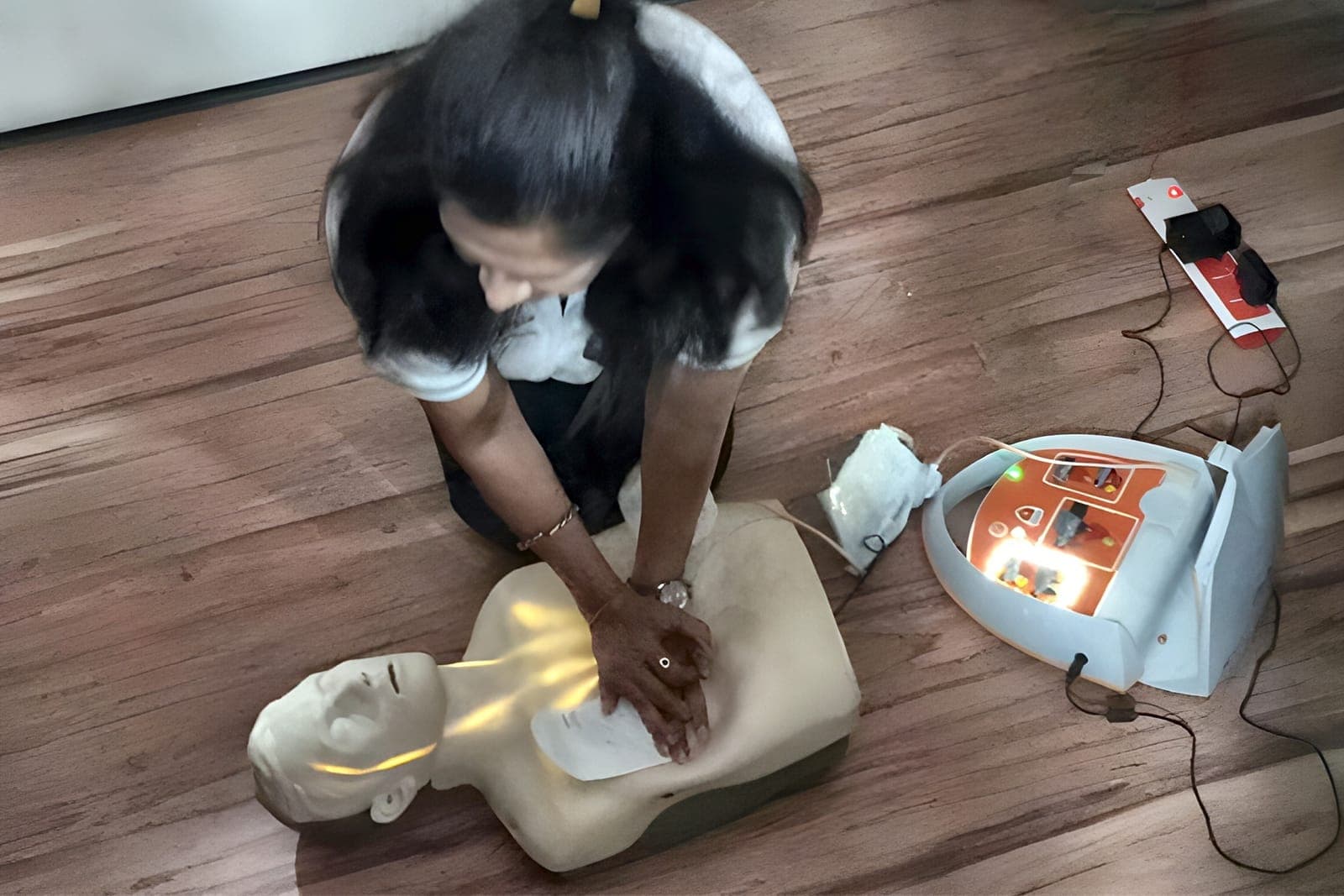
- Keep them resting in a comfortable position, and be ready to start CPR if they collapse and stop breathing normally.
- Make reporting easy. People sometimes hide symptoms because they do not want to make a fuss or leave their post. Supervisors should make it clear that reporting chest pain is always the right call.
- Train first aiders on every shift so someone can recognise the warning signs and act.
Get checked, and get trained
Chest pain is never something to diagnose for yourself. A troponin test and a proper medical assessment are the reliable way to find out what is happening.
Being ready to help someone else is just as important. Our First Aid with CPR training prepares workplace responders to assess a casualty, act on life-threatening findings and hand over to professional help, and our Basic Life Support (BLS) training builds the full response to a cardiac arrest. To arrange a session, write to info@eduforce.in or message us on WhatsApp at 8779291591.
This article is for general awareness and does not replace medical advice. In an emergency, call 112.
Related training
Need help developing workplace safety capability?
Talk to Eduforce about training, consultancy and safety solutions.

Eduforce Team
EHS Training & Safety Solutions
Practical safety guidance from the Eduforce trainers and consultants — written from the training centre, the classroom and the site.
More about Eduforce