A single organ donor can save the lives of up to eight people. Yet across India, many patients wait years for a transplant, and some never receive one. Organ donation depends on two things: people deciding in advance that they want to donate, and families agreeing when the moment comes.
Figures for Maharashtra from the first half of 2024 show both how much good donation does and how much more is possible.
What the 2024 figures showed
The Times of India reported the following figures for deceased organ donation in Maharashtra between 1 January and 30 June 2024.
Donations by region, recorded by each Zonal Transplant Coordination Centre (ZTCC):
| Region | Deceased donors |
|---|---|
| Pune | 32 |
| Mumbai | 24 |
| Nagpur | 24 |
| Aurangabad | 1 |
| Total | 81 |
Organs transplanted from those donors:
| Organ | Number |
|---|---|
| Kidneys | 124 |
| Liver | 67 |
| Lungs | 11 |
| Heart | 10 |
| Pancreas | 1 |
In total, 213 patients received a transplant. Over the same six months, doctors identified brain stem death in 144 patients, and the families of 81 of them agreed to donation.
How the system works
Zonal Transplant Coordination Centres manage the allocation of organs from deceased donors among hospitals in their region, so that organs reach patients fairly and are used well.
Brain stem death is the point at which the brain stem has permanently stopped working. Once it has been certified, the person is legally dead, even though a ventilator may still be keeping the heart beating and blood flowing. This is what allows organs such as the heart, lungs, liver, kidneys and pancreas to be donated.
Family consent is essential. Even when someone has pledged to donate, doctors will speak to the family, and their agreement is needed. That is why telling your family about your wishes matters as much as making the pledge.
Organ Donation Month and Indian Organ Donation Day
The Union Health Ministry marks July as Organ Donation Month. It leads up to Indian Organ Donation Day on 3 August, which commemorates India's first deceased donor organ transplant, a heart transplant, carried out on 3 August 1994.
How to pledge
- Learn the facts. Understand what donation involves, including brain stem death and family consent.
- Register your pledge through the official portal of the National Organ and Tissue Transplant Organisation (NOTTO).
- Tell your family, clearly and in advance, so they know your wishes and can honour them.
- Keep a record of your pledge with your important documents.
Organs that can be donated after death include the kidneys, liver, heart, lungs, pancreas and small bowel.
Myths and facts
"If I pledge, doctors will not try as hard to save me." The team treating a patient is separate from the transplant team, and donation is only considered after death has been certified.
"I am too old, or not healthy enough, to donate." There is no fixed upper age. Whether organs are suitable is assessed by doctors at the time.
"My religion does not allow it." Many faiths support organ donation as an act of giving. If you are unsure, speak to a religious leader you trust.
An invitation to the HSE community
We invite everyone in the health, safety and environment community to make a simple pledge: to donate their organs after death, to register that decision, and to make sure their families know about it. Anyone else is welcome to make the same pledge.
What workplaces can do
- Raise awareness, especially in July and around 3 August, through talks by doctors or transplant coordinators.
- Share accurate information about brain stem death and donation, to counter myths.
- Keep it voluntary. Organ donation is a personal choice, and nobody should feel pressured.
- Support colleagues who are waiting for a transplant, or whose families are going through donation, with understanding and flexibility.
A lasting gift
Organ donation turns a moment of loss into a chance of life for others. This Organ Donation Month and every other month, take a moment to think about it, talk to your family, and consider making a pledge.
How Eduforce can help
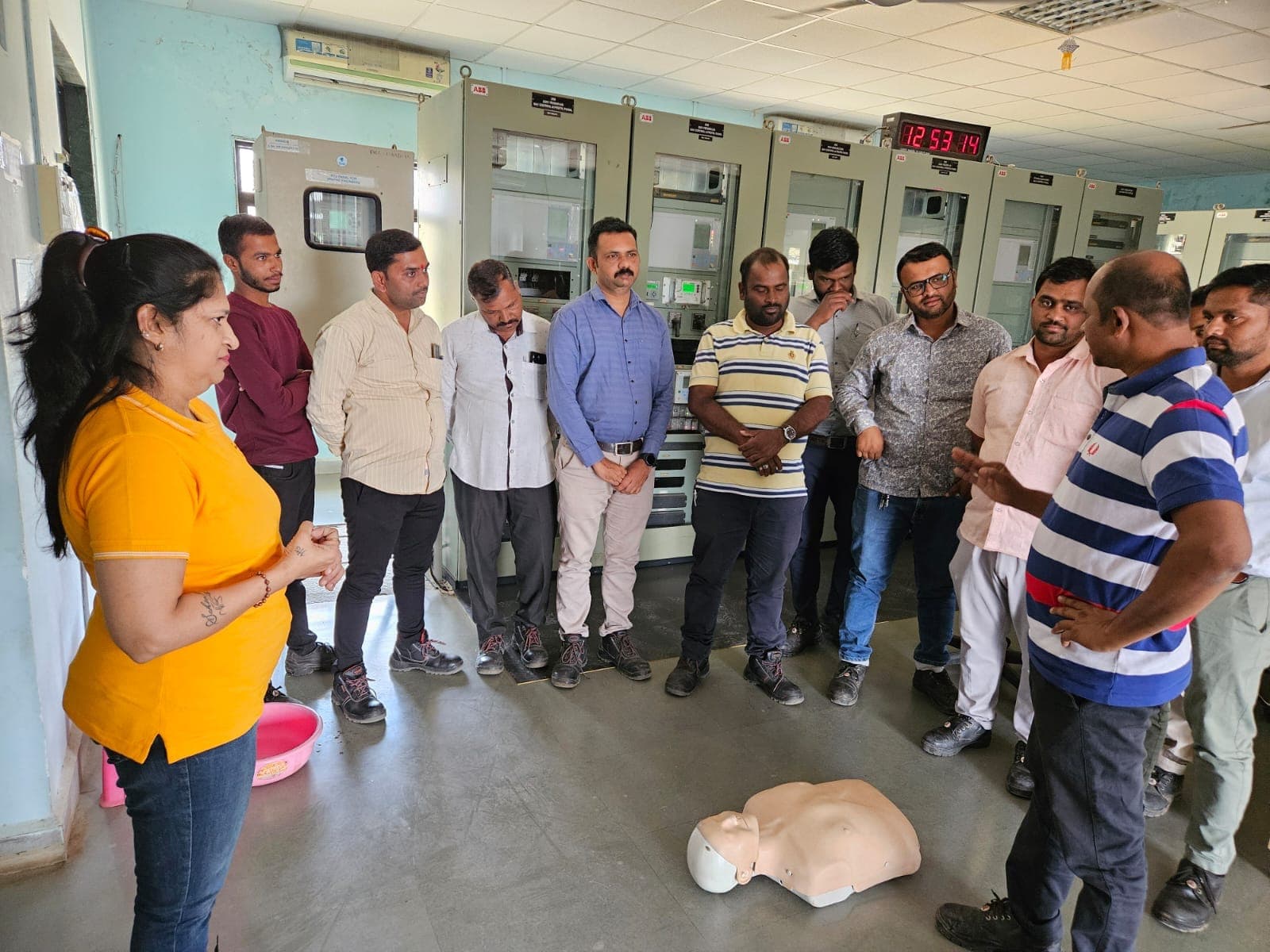
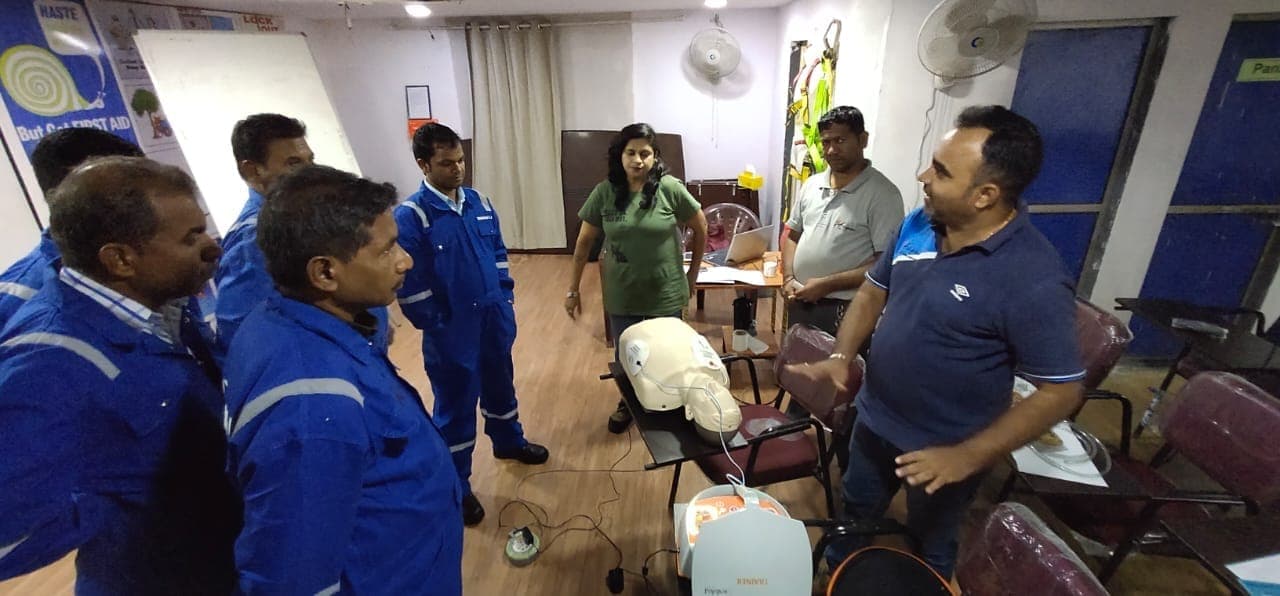
Our First Aid with CPR training helps people respond in the first minutes of a medical emergency, when quick action can save a life. To arrange awareness sessions or training, write to info@eduforce.in or message us on WhatsApp at 8779291591.
Figures: The Times of India, for community awareness. For pledging, use the official NOTTO portal.
Related training
Need help developing workplace safety capability?
Talk to Eduforce about training, consultancy and safety solutions.
Eduforce Team
EHS Training & Safety Solutions
Practical safety guidance from the Eduforce trainers and consultants — written from the training centre, the classroom and the site.
More about Eduforce