Scaffolds give safe access to work at height on construction sites, industrial plants, ships, power stations and wind projects. But a scaffold is only as safe as the way it is planned, built, inspected and used. When scaffolds fail, or when people fall from them, the consequences are often serious. The person who holds it all together on site is the scaffold supervisor.
This article explains what a scaffold supervisor does, why supervisory training matters, and the standards that shape good scaffolding practice around the world.
What a scaffold supervisor is responsible for
A scaffold supervisor makes sure that scaffolding work is done safely, from planning to dismantling. Typical responsibilities include:
- Planning. Understanding what the scaffold is for, the loads it must carry, the ground it stands on and whether it needs a design.
- Competent people. Making sure erectors are trained and competent for the type of scaffold being built.
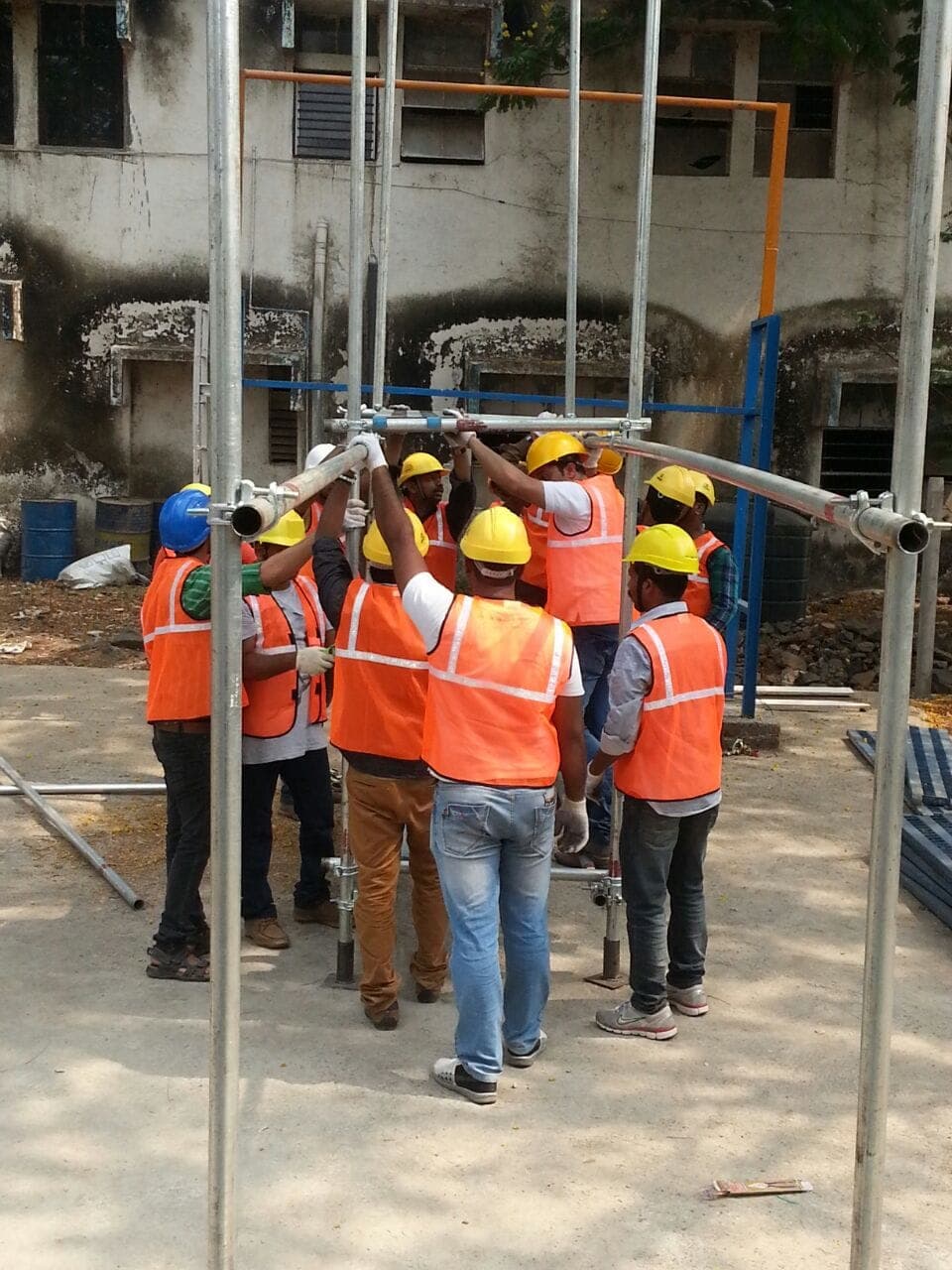
- Erection and dismantling. Overseeing the work so it follows the agreed sequence, with ties, bracing and platforms installed correctly.
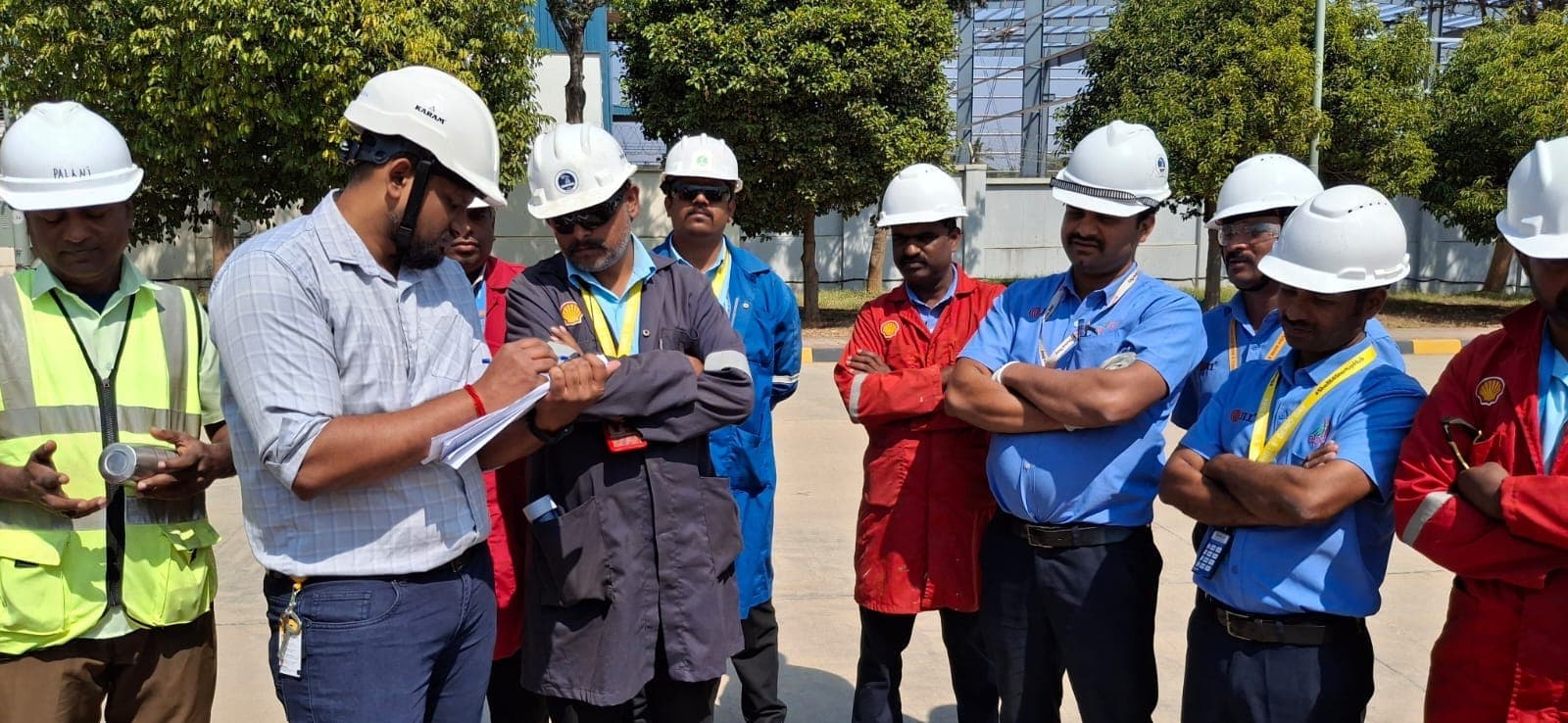
- Inspection. Ensuring scaffolds are inspected before first use, at regular intervals, after alterations and after events such as high winds or heavy rain.
- Tagging and handover. Making clear whether a scaffold is safe to use, through a tagging system and a formal handover.
- Controlling use. Stopping overloading, unauthorised alterations and unsafe access.
- Protecting others. Managing falling-object risks, exclusion zones and interaction with other trades.
Why supervisors need specific training
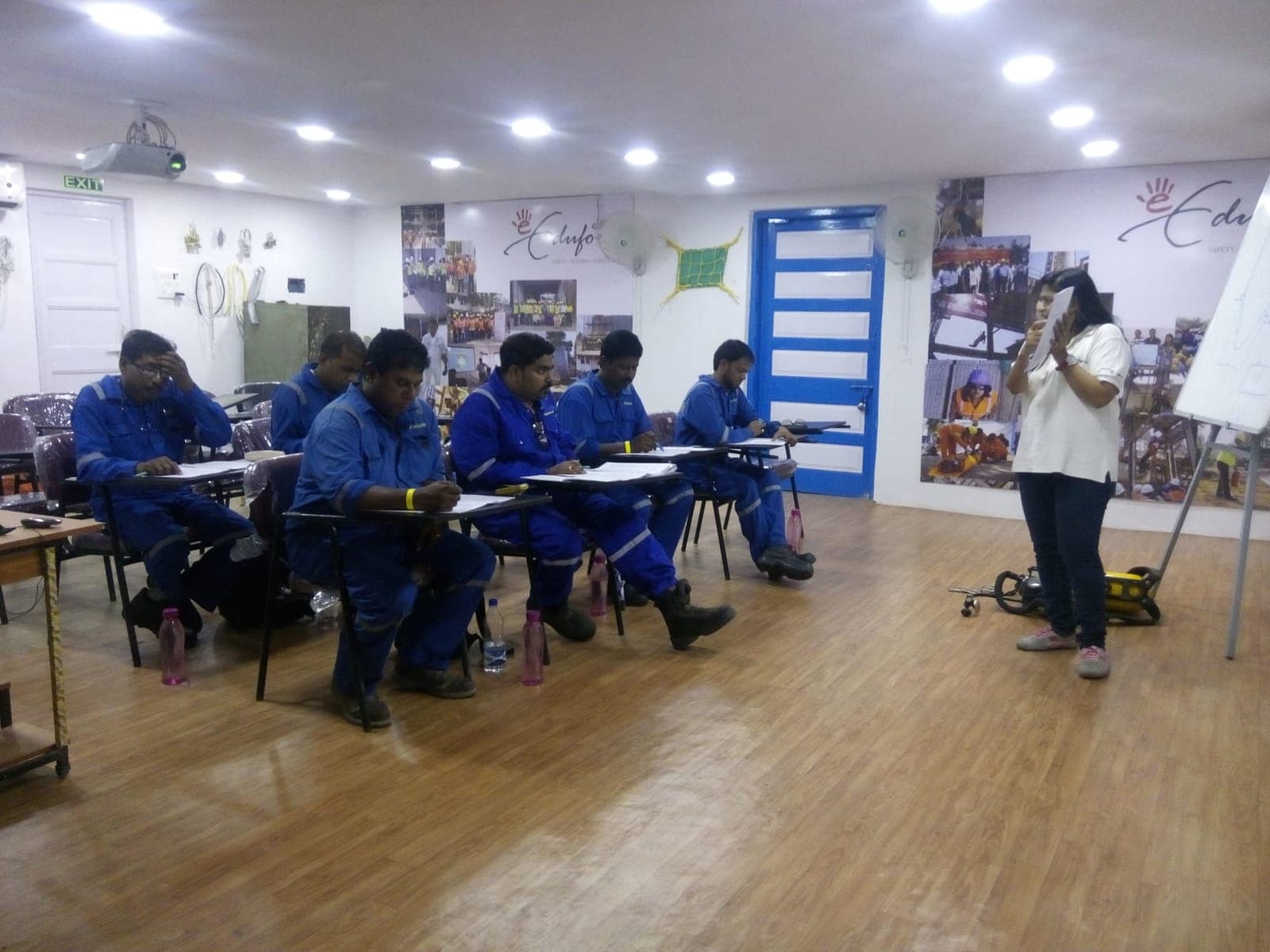
Being an experienced scaffolder is not the same as being able to supervise. A supervisor needs to understand load classes and platform duty, recognise when a scaffold needs a design, read drawings, plan safe sequences, inspect systematically and manage people. Training gives supervisors the technical knowledge and the confidence to stop work when something is not right.
International standards and practice
Scaffolding is governed by standards and regulations that vary between countries, but share common principles:
- India. The Bureau of Indian Standards publishes IS 3696 (Part 1), a safety code for scaffolds. Workplace safety law is now the Occupational Safety, Health and Working Conditions Code, 2020, with state rules setting out detailed requirements.
- Europe. EN 12811-1 sets performance requirements and general design rules for working scaffolds, and EN 12810 covers facade scaffolds made of prefabricated components.
- United States. OSHA's construction rules for scaffolds (29 CFR 1926, Subpart L) require scaffolds to be erected, moved, dismantled or altered under the supervision of a competent person, and to be inspected by a competent person before each work shift and after any event that could affect their integrity.
- Certification schemes. Many countries run scaffolder training and card schemes with levels from erector to supervisor. Check which scheme your client or project requires.
Whatever the local rules, the shared principles are the same: competent people, proper design where needed, systematic inspection and clear control of use.
A training pathway for scaffolding teams
Scaffolding competence usually builds in stages:
- Basic scaffolding for crews who erect and dismantle standard scaffolds.
- Advanced scaffolding for complex and non-standard configurations.
- Scaffolding inspection for those who examine completed scaffolds and release them for use.
- Supervision, combining technical knowledge with planning and leadership.
A supervisor's daily checklist
- Is every scaffold in use tagged as safe, and inspected within the required interval?
- Are ties, bracing, guardrails and toe boards in place?
- Are platforms fully boarded and free of overloading?
- Is access safe, with ladders or stair towers secured?
- Have there been alterations, strong winds or heavy rain since the last inspection?
- Are exclusion zones in place below, and are tools and materials secured against falling?
Industries that depend on good scaffold supervision
- construction and infrastructure
- oil, gas and petrochemical plants
- power generation and renewable energy, including wind
- shipbuilding and ship repair
- industrial maintenance and shutdowns
How Eduforce can help
Eduforce offers Basic Scaffolding Erection & Dismantling, Advanced Scaffolding and the Scaffolding Inspector Course, which covers examining scaffolds, identifying defects and deciding whether a scaffold may be released for use. For people who plan and supervise work at height more broadly, our Advanced Fall Protection training is aimed at managers, supervisors and contractors.
To discuss scaffolding training for your team, write to info@eduforce.in, call 7498845111 or message us on WhatsApp at 8779291591.
Related training
- Scaffolding, Access & Rope SafetyBasic Scaffolding Erection & Dismantling TrainingView programme
- Scaffolding, Access & Rope SafetyAdvanced Scaffolding TrainingView programme
- Scaffolding, Access & Rope SafetyScaffolding Inspector CourseView programme
- Work at Height & Fall ProtectionAdvanced Fall Protection TrainingView programme
Need help developing workplace safety capability?
Talk to Eduforce about training, consultancy and safety solutions.
Eduforce Team
EHS Training & Safety Solutions
Practical safety guidance from the Eduforce trainers and consultants — written from the training centre, the classroom and the site.
More about Eduforce