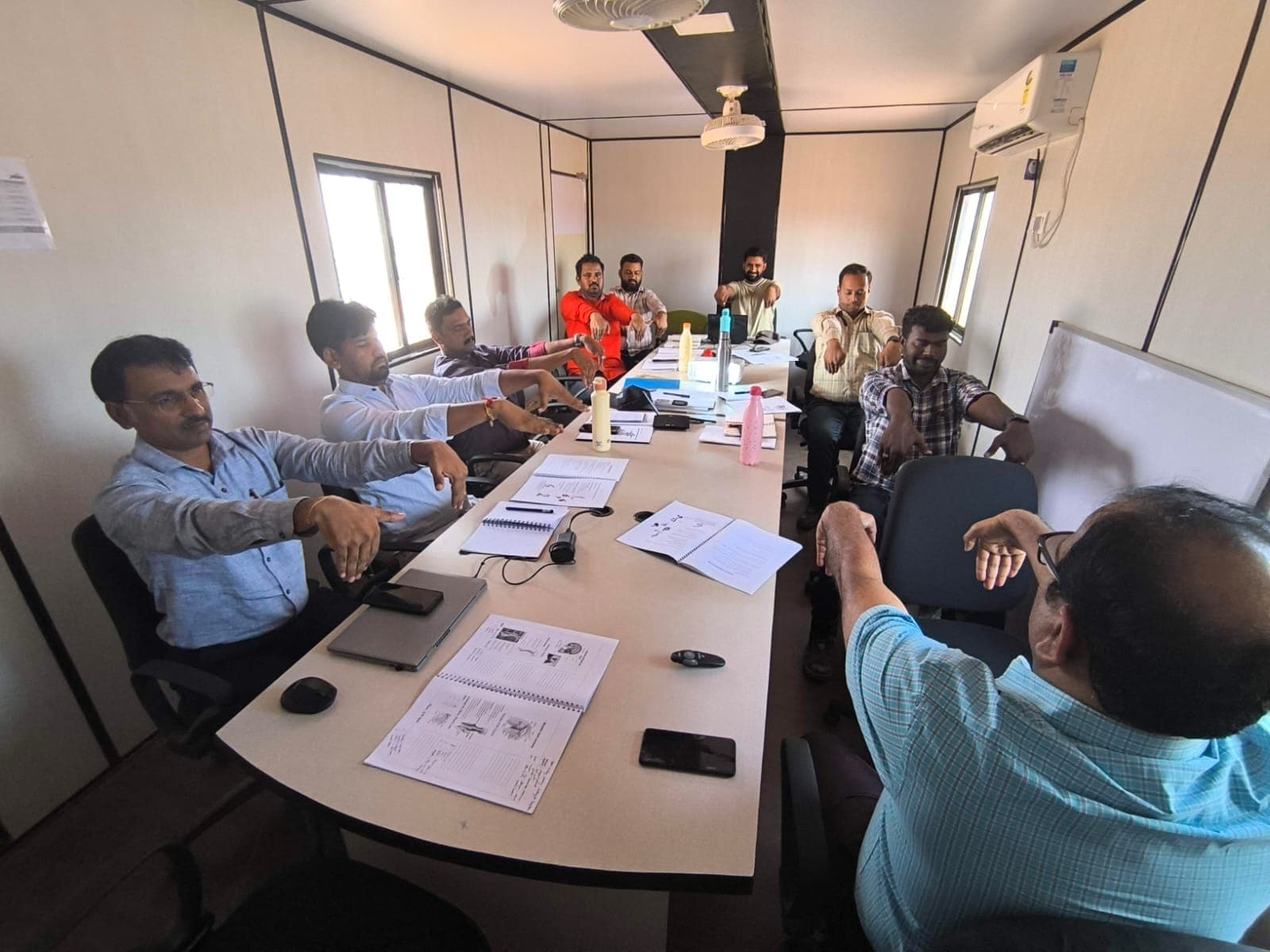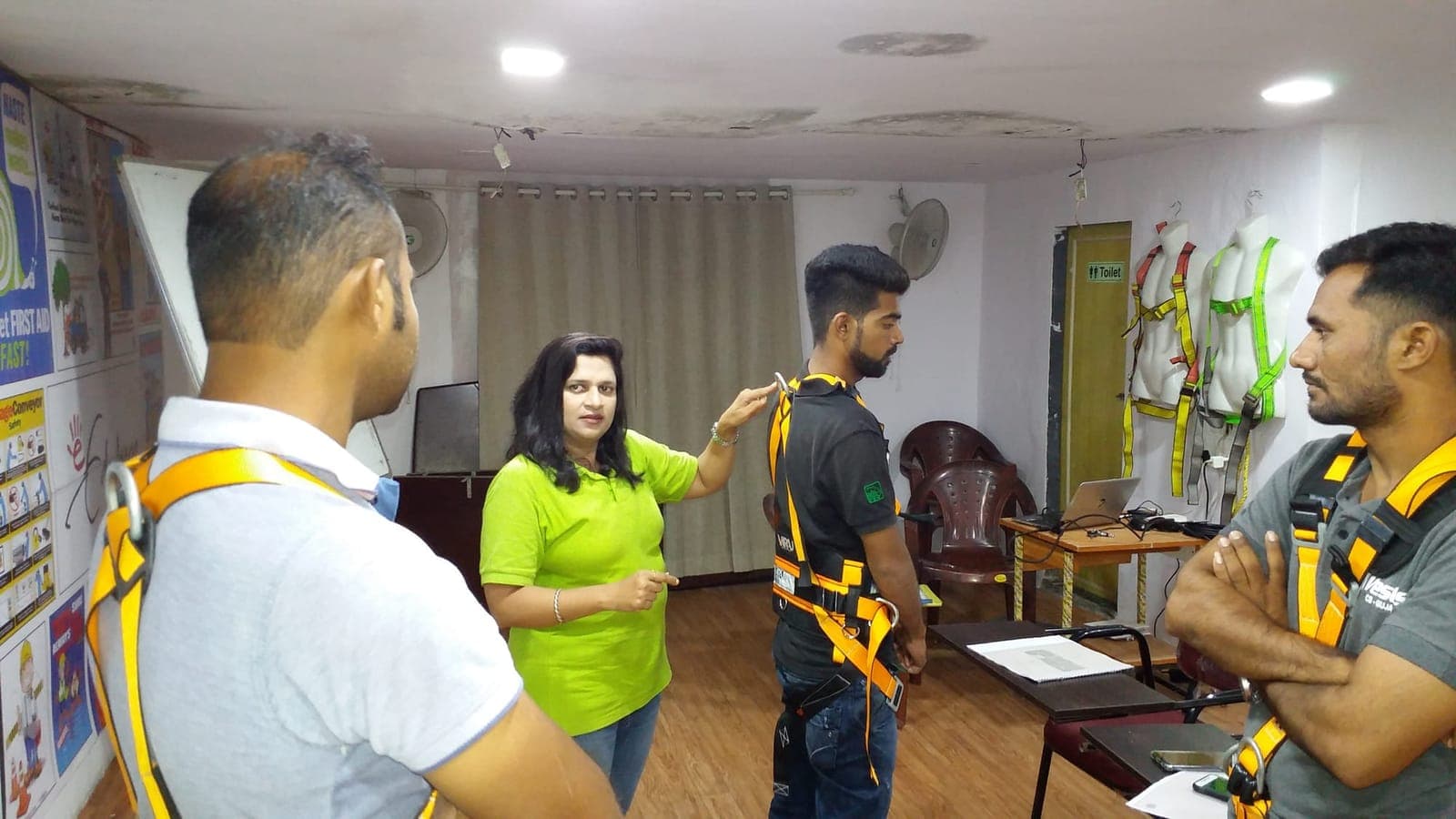

Ask people to name a workplace hazard and they will mention falls, fire or heavy machinery. Few would name the office chair. Yet for millions of people whose work has moved from fields and factory floors to desks and screens, long hours of sitting have become one of the most common, and least noticed, risks to health.
This article looks at what prolonged sitting does to the body.
From physical work to desk work
Over the past century, work has changed dramatically. Jobs that once kept people moving all day have given way to roles carried out at a desk, in front of a computer, for most of the working day. The body, however, has not changed. It is built for movement, and long, unbroken periods of sitting work against it.
What happens when you sit for hours
The effects start sooner than most people think, and they build up the longer you stay in your seat.
In the muscles and metabolism. When you sit, the large muscles of the legs go almost quiet. The body burns less energy, and its handling of fats and sugar in the blood slows down. Over months and years, this contributes to weight gain and poorer metabolic health.
In blood sugar control. Insulin, the hormone that moves sugar out of the blood and into the cells, works less effectively in people who sit for long periods. That raises the risk of developing type 2 diabetes.
In the heart and lungs. People who spend most of the day sitting tend to have lower heart and lung fitness than those who stay active, and a higher risk of illness and injury.
In the neck, shoulders and back. Holding the upper body in one fixed position for hours puts the muscles under constant low-level load and squeezes the blood vessels that supply them, which leads to fatigue and stiffness. The spine takes much of the strain, especially in the lower back and the neck.
In the legs. Blood tends to collect in the lower legs when we sit still for long periods. This can cause numbness and contributes to varicose veins.
Posture: why sitting bolt upright is not the answer
Many of us were taught to sit up straight. Research suggests that may not be the kindest position for the back. In a study presented at the Radiological Society of North America in 2006, researchers used a special MRI scanner that allows people to be scanned while seated. They compared 22 volunteers sitting hunched forward, upright at 90 degrees, and leaning back at about 135 degrees with their feet on the floor. The reclined position placed the least strain on the discs of the lower back, while the upright and slouched positions caused more disc movement.
The practical lesson is not to lie back all day, but to avoid hunching forward, to let the chair back take some of your weight, and to change position often.
Why exercise alone is not enough
Many people assume that half an hour of exercise a day cancels out a day at a desk. Unfortunately, it often does not. A daily workout is valuable, but it cannot fully make up for eight or nine hours of unbroken sitting. What matters just as much is breaking up the sitting itself, again and again through the day.
Simple ways to do it:
- walk around between tasks, even briefly
- use the stairs rather than the lift
- walk over to speak to a colleague instead of sending a message
- stand up for phone calls
- set a reminder to get up at least once every half hour
Each short break gets blood moving again, wakes up the leg muscles and takes the load off the spine.
What employers can do
Sitting is an occupational health issue, not just a personal habit. Practical steps include:
- Assess workstations so chairs, desks and screens support a good posture.
- Make movement normal, with walking meetings, standing areas for short discussions and printers or water points placed a short walk away.
- Build breaks into long screen-based tasks, especially in control rooms, call centres and design offices.
- Include ergonomics in safety training, alongside more visible hazards such as falls and fire.
How Eduforce can help
Our Workplace Ergonomics training addresses the everyday postures, movements and workstation layouts that cause musculoskeletal injury over time. To arrange a session, write to info@eduforce.in or message us on WhatsApp at 8779291591.
This article is for general awareness and does not replace medical advice.
Related training
Need help developing workplace safety capability?
Talk to Eduforce about training, consultancy and safety solutions.

Eduforce Team
EHS Training & Safety Solutions
Practical safety guidance from the Eduforce trainers and consultants — written from the training centre, the classroom and the site.
More about Eduforce