When something goes wrong at work, the first few minutes are usually handled not by doctors or paramedics but by colleagues. Whether those minutes help or harm depends on whether someone nearby has been trained, and on whether the organisation has planned for it.
This article looks at how companies can build a first aid training programme that works in practice, not just on paper. For an overview of training options in Mumbai, see our guide to first aid training in Mumbai.
Why first aid training matters to an organisation
First aid training is sometimes treated as a box to tick. It is far more than that. Trained employees can:
- save lives by acting immediately when someone has a cardiac arrest, is bleeding heavily or has been badly burned
- stop minor incidents getting worse, through prompt, correct care
- help the organisation meet its legal obligations, since regulators in many sectors require trained first aiders on site
- feel more confident, which improves how teams respond to any unexpected event
Step 1: Work out what you need
A good programme starts with an honest look at the workplace:
- What are the main hazards? An office, a chemical plant, a construction site and a wind farm need very different skills.
- How many people work here, and when? First aid cover must be in place on every shift, including nights and weekends, and in every building or area of a large site.
- How far away is professional help? Remote sites and work at height need more advanced skills, because help takes longer to arrive.
- What does the law or the client require? Some sectors require specific certification.
Step 2: Choose the right training
Match the training to the risk:
- Basic or First Aid with CPR training for most workplace first aiders
- Advanced first aid for those likely to face serious injuries, such as on industrial or construction sites
- DISH-approved training where Maharashtra factory requirements apply
- GWO first aid for anyone working in wind energy
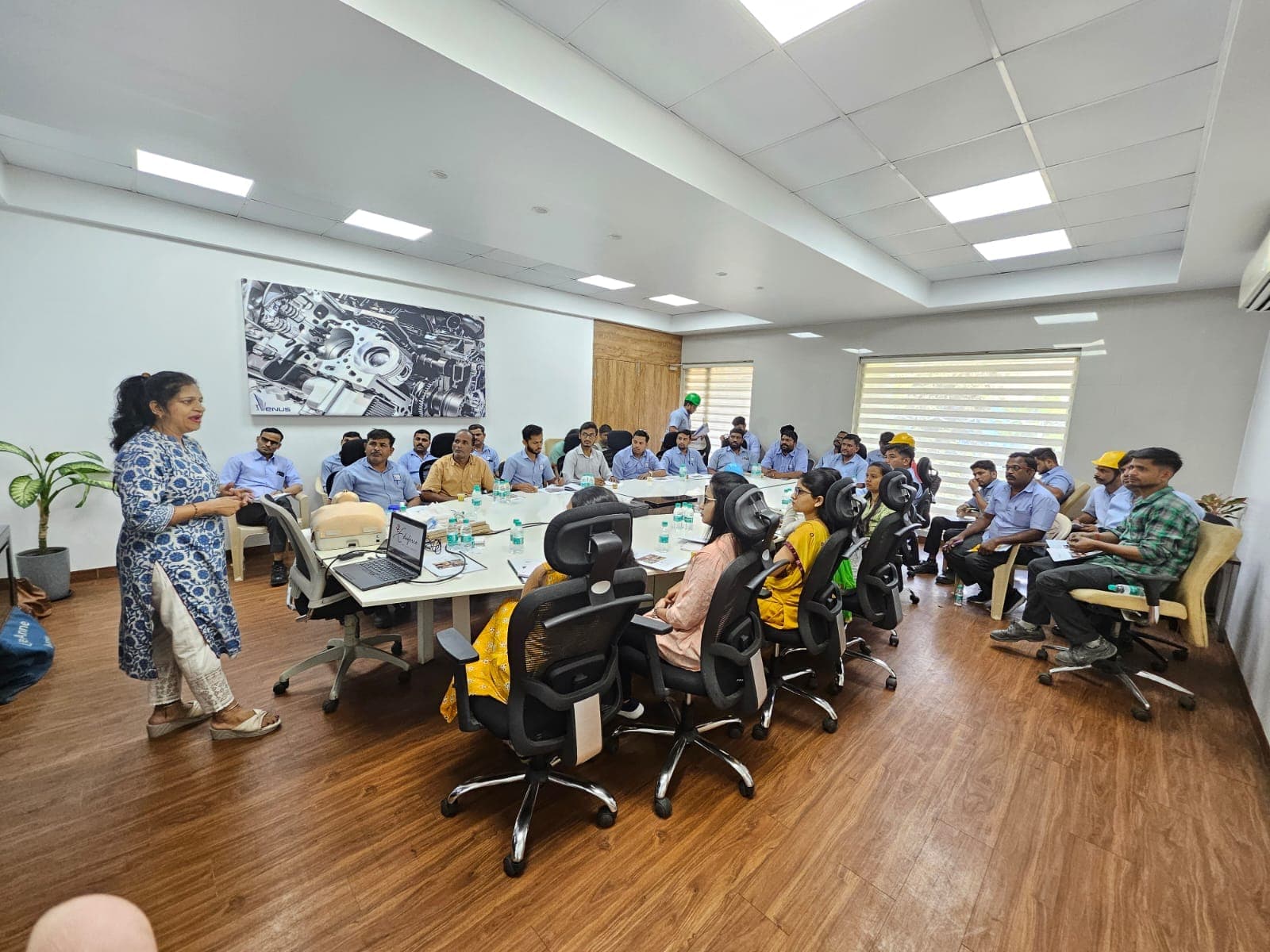
Look for courses with a broad curriculum, from cuts and fractures to burns and chemical exposure, and with plenty of hands-on practice and realistic scenarios. Ask whether the content can be adapted to your industry and your working methods.
Step 3: Make it practical
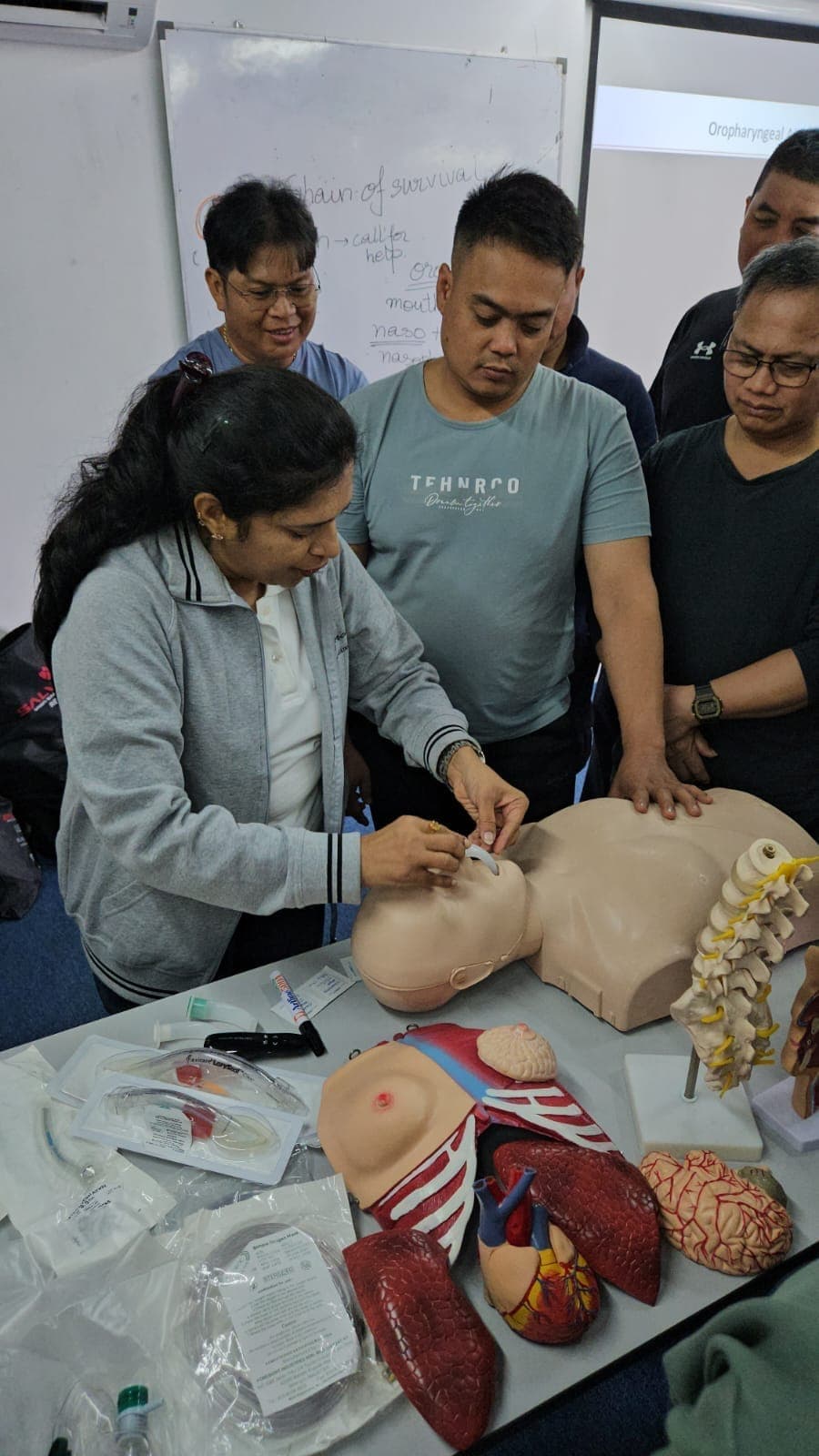
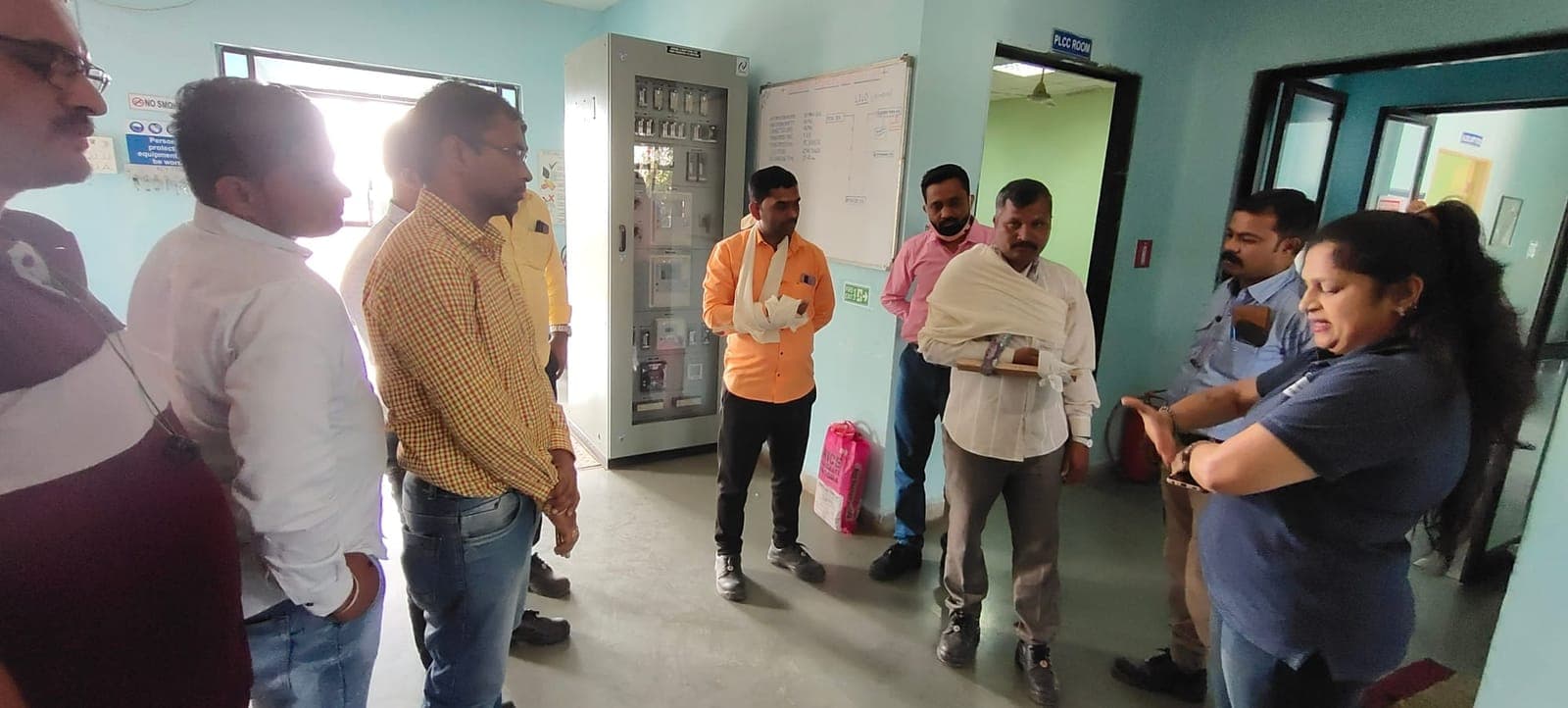
Classroom theory alone does not prepare people for a real emergency. The best programmes use realistic simulations, practice on manikins and AED trainers, and scenarios drawn from the workplace itself, such as an injury on a production line, a fall from a ladder or a colleague collapsing at a desk.
Step 4: Keep it going
- Refresh skills regularly, before certificates expire and before confidence fades.
- Run drills so that first aiders practise with the rest of the emergency team.
- Keep records of who is trained, in what, and when certificates are due for renewal.
- Maintain equipment, including first aid kits and AEDs, and make sure everyone knows where they are.
- Review after incidents, and adjust the programme based on what you learn.
Special case: first aid in wind energy
Wind energy brings particular challenges. Technicians work at significant heights, often in remote locations and in harsh weather, where professional medical help may be a long way off. The Global Wind Organisation (GWO) sets international training standards for the industry, including first aid. Wind-focused first aid training typically covers:
- injuries and rescue at height, on elevated platforms and inside turbines
- remote first aid, keeping a casualty stable until professional help can reach them
- CPR and the use of AEDs
- recognising stress and fatigue, which affect judgement and safety in demanding conditions
Where first aid training is heading
First aid training continues to evolve. Some of the changes shaping it include:
- technology, such as virtual and augmented reality simulations, and online learning used alongside hands-on practice
- mental health first aid, helping people support colleagues who are dealing with stress, anxiety or trauma
- sector-specific courses for high-risk industries such as renewable energy, chemical manufacturing and offshore work
- greater regulatory attention to certified first aid training as part of compliance
Whatever the format, one principle does not change: life-saving skills such as CPR must be practised with your hands, under the eye of a trainer.
Common mistakes to avoid
- Training the same few people every time, so that cover disappears when they are on leave or move on.
- Forgetting the night shift, where help is often furthest away and fewest people are around.
- Letting certificates lapse because nobody is tracking renewal dates.
- Buying equipment without training, such as an AED that nobody feels confident to use.
- Treating training as a one-off event, rather than part of a wider emergency plan that is practised and reviewed.
How to tell whether it is working
A first aid programme is working when the people on site can answer a few simple questions without hesitation. Who are the first aiders on this shift? Where is the nearest first aid kit, and the nearest AED? What number do we call, and who meets the ambulance? Ask these questions during site walks and drills. If people cannot answer, the programme needs attention, however many certificates are on file.
A checklist for employers
- Hazards and first aid needs assessed for each site and shift
- Enough trained first aiders, at the right level, on every shift
- Certification matched to legal and client requirements
- Practical, scenario-based training
- Refresher dates tracked and booked
- First aid kits and AEDs maintained, with locations clearly marked
- Drills held with the wider emergency team
How Eduforce can help
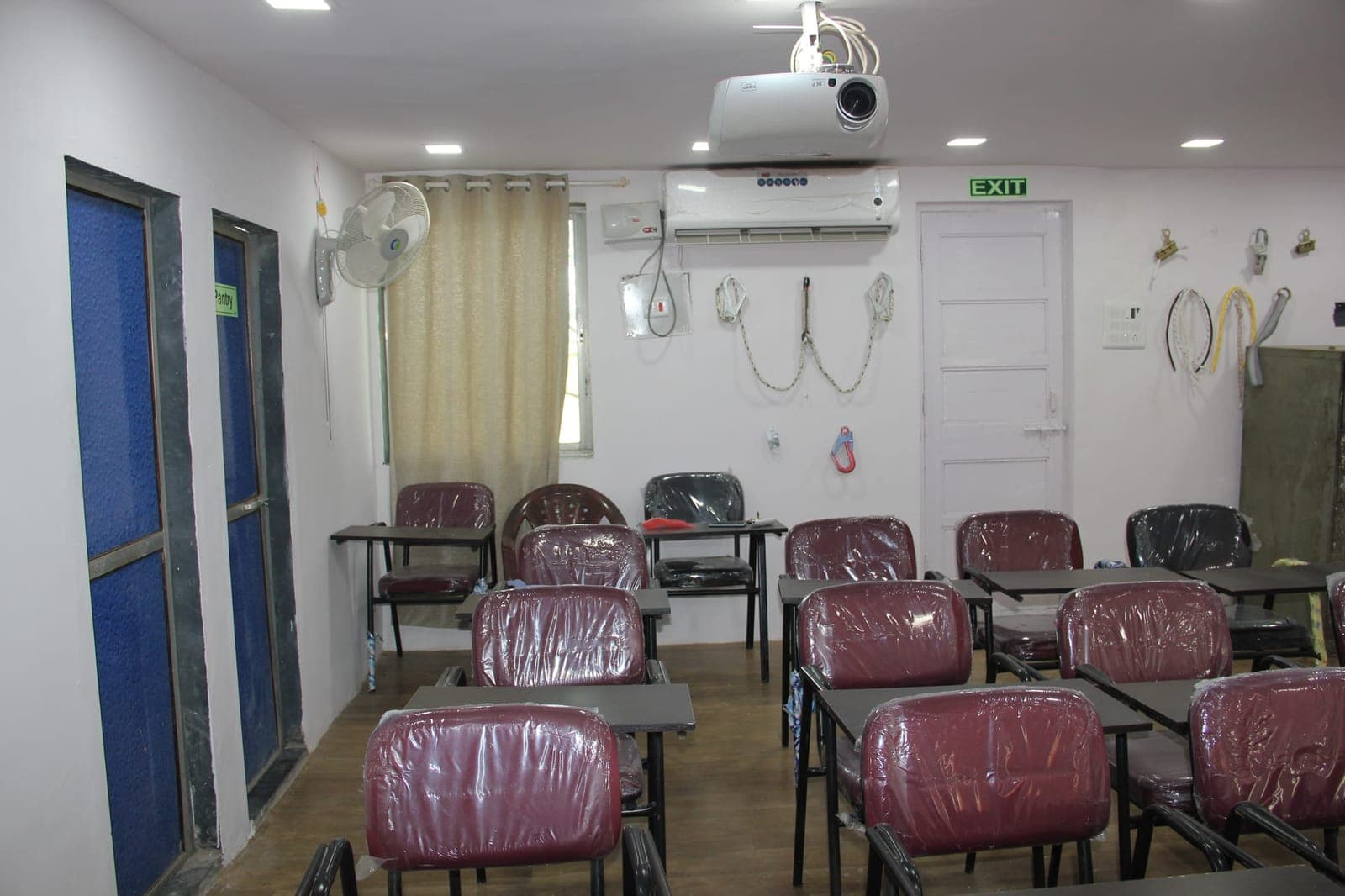
Eduforce's first aid training programme is approved by the Directorate of Industrial Safety and Health (DISH), Government of Maharashtra, and Eduforce delivers Global Wind Organisation (GWO) training for the wind energy sector. Programmes can run at our training centre or at your own site, where our trainers can build scenarios around your working methods.
Explore our DISH Certified First Aid Training, Advanced First Aid Certification, GWO BST First Aid and GWO Enhanced First Aid. To plan a programme for your organisation, write to info@eduforce.in, call 7498845111 or message us on WhatsApp at 8779291591.
Related training
Need help developing workplace safety capability?
Talk to Eduforce about training, consultancy and safety solutions.
Eduforce Team
EHS Training & Safety Solutions
Practical safety guidance from the Eduforce trainers and consultants — written from the training centre, the classroom and the site.
More about Eduforce