
Every year on 15 June, Global Wind Day draws attention to what wind power can do for the world's energy needs. As countries move towards clean, renewable power, wind has become one of the leading tools for cutting emissions, reducing dependence on fossil fuels and building a more sustainable energy system.
India is part of that shift. But every new turbine needs people to build it, climb it, maintain it and, if something goes wrong, rescue those working on it. This article looks at the safety training that India's growing wind workforce needs. Our guide to what GWO Basic Safety Training covers goes into the core course in detail.
India's wind sector is growing fast
With its long coastline and strong wind corridors, India is one of the countries investing most in wind energy. Government policy has given the sector strong momentum, through measures such as the National Wind-Solar Hybrid Policy and India's goal of 500 GW of electricity capacity from non-fossil sources by 2030.
Growth on that scale creates a pressing need for skilled, certified and safety-conscious people. Wind is good for the planet, but the work itself carries serious risks.
The risks of wind work
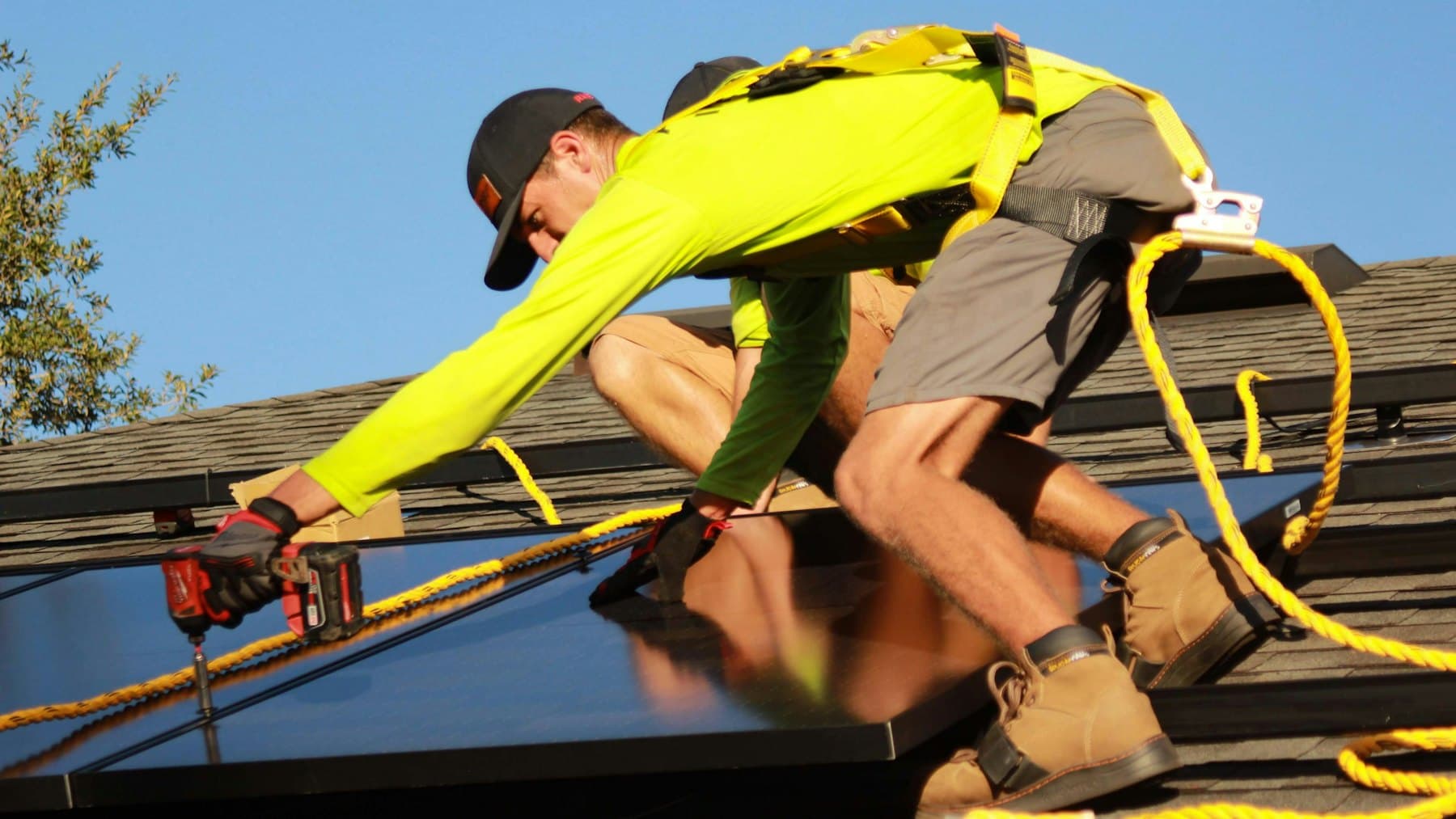
Technicians install, inspect and maintain turbines that stand many tens of metres above the ground. Their work can involve:
- climbing towers and working at height in the nacelle and hub
- manual handling of heavy components in confined spaces
- electrical and mechanical hazards
- remote locations where medical help may be far away
- weather that can change quickly
- for offshore projects, the dangers of working at sea
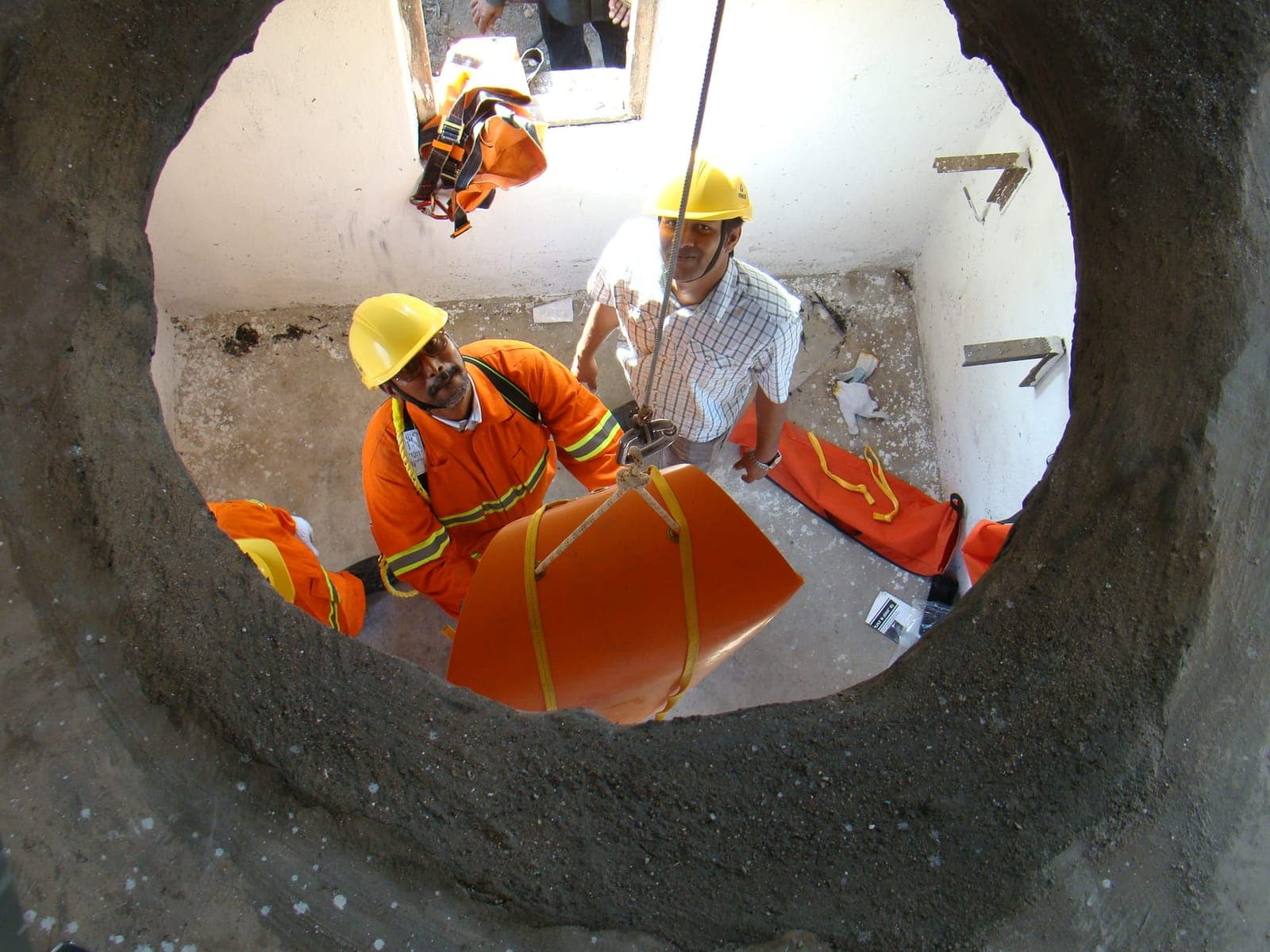
When something goes wrong at height or offshore, help cannot simply walk in. The people on site must be able to protect themselves and rescue each other.
Why GWO standards matter
The Global Wind Organisation (GWO) sets internationally recognised training standards designed specifically for the wind industry. Training to these standards combines theory with hands-on practice, so technicians learn not just what to do but how to do it under realistic conditions.
GWO Basic Safety Training (BST) is the foundation. Its modules cover:
- Working at Heights: safe work at height, use of fall protection systems, and rescue
- Manual Handling: correct lifting techniques and avoiding injury during manual tasks
- First Aid: emergency care, CPR and assessment of injuries
- Fire Awareness: fire safety, emergency procedures and the use of extinguishers
- Sea Survival: for offshore workers, survival in the water, life-saving equipment and emergency procedures at sea
GWO Advanced Rescue Training (ART) builds on BST, preparing technicians to carry out rescues from the hub, spinner and inside the blade, and from the nacelle, tower and basement.
Who needs wind safety training
- technicians and engineers who build and service turbines
- supervisors and safety officers on wind sites
- managers responsible for renewable energy projects
- maintenance crews who work on towers, nacelles and blades
- newcomers hoping to build a career in wind energy
A typical training pathway
Training usually builds in stages, matched to the role:
- Basic Safety Training (BST) first, for anyone who will climb or work on a turbine.
- Basic Technical Training (BTT) for technicians who will carry out mechanical, electrical and hydraulic work.
- Advanced Rescue Training (ART) for those who may need to lead or carry out complex rescues.
- Enhanced First Aid (EFA) for teams working where medical help may take a long time to arrive.
Certificates must be kept valid with refresher training, so planning ahead avoids technicians being stood down from work.
What good training looks like
When choosing a provider, look for:
- practical training with realistic simulations, not just classroom sessions
- instructors who are certified and have real field experience
- alignment with GWO standards and international safety practice
- flexibility, including training at your own sites where appropriate
- scheduling that keeps downtime on projects to a minimum
For employers, certified training is about more than compliance. It reduces incidents, improves efficiency and builds a culture in which people look out for each other.
What employers in the wind sector should check
- that every technician holds valid GWO certificates for the modules their role requires, and that refresher training is booked before they expire
- that rescue plans exist for every turbine type and are practised, not just written
- that new joiners complete BST before they climb
- that subcontractors meet the same standard as your own staff
Eduforce and wind safety
Eduforce delivers GWO training for the wind sector and offers the full range of GWO modules. Training takes place at our training centre at Vasind, on the Mumbai–Nashik Highway, or at client locations across India.
We have trained technicians and engineers from renewable energy companies, infrastructure developers and independent contractors, helping them meet international benchmarks for safety and preparedness.
As we mark Global Wind Day, we also recognise the engineers, technicians, safety officers and rescuers who keep the blades turning in demanding conditions. Their skill and care are what make wind a reliable source of clean energy.
Explore our GWO wind training, including Basic Safety Training and Advanced Rescue Training. To discuss training for your team, write to info@eduforce.in, call 7498845111 or message us on WhatsApp at 8779291591.
Related training
Need help developing workplace safety capability?
Talk to Eduforce about training, consultancy and safety solutions.
Eduforce Team
EHS Training & Safety Solutions
Practical safety guidance from the Eduforce trainers and consultants — written from the training centre, the classroom and the site.
More about Eduforce