
Every March, workplaces across India pause to focus on safety. National Safety Week runs from 4 to 10 March each year, starting on National Safety Day, the anniversary of the founding of the National Safety Council (NSC) of India on 4 March 1966. National Safety Day was first observed in 1972, and 2026 marks the 55th National Safety Week.
The week is a chance to renew commitment to preventing accidents, protecting health and caring for the environment. But a week of banners and speeches achieves little on its own. This article looks at how to make National Safety Week count, so that its effects last well beyond March.
What the week is for
National Safety Week brings together employers, workers and safety professionals around a common purpose:
- preventing workplace accidents and injuries
- raising safety awareness among employees
- encouraging compliance with safety law
- building safety leadership at every level
- strengthening emergency preparedness
The NSC announces a theme each year, which many organisations use to focus their activities. Organisations in manufacturing, construction, oil and gas, logistics, wind energy and offices all take part, through campaigns, training, mock drills and awareness sessions.
Before the week: plan
- Pick a focus. Use the year's theme, and link it to your own biggest risks, such as work at height, vehicles, confined spaces or manual handling.
- Involve workers in planning. Ask them which hazards worry them most.
- Book training early. Trainers and facilities are in demand in early March.
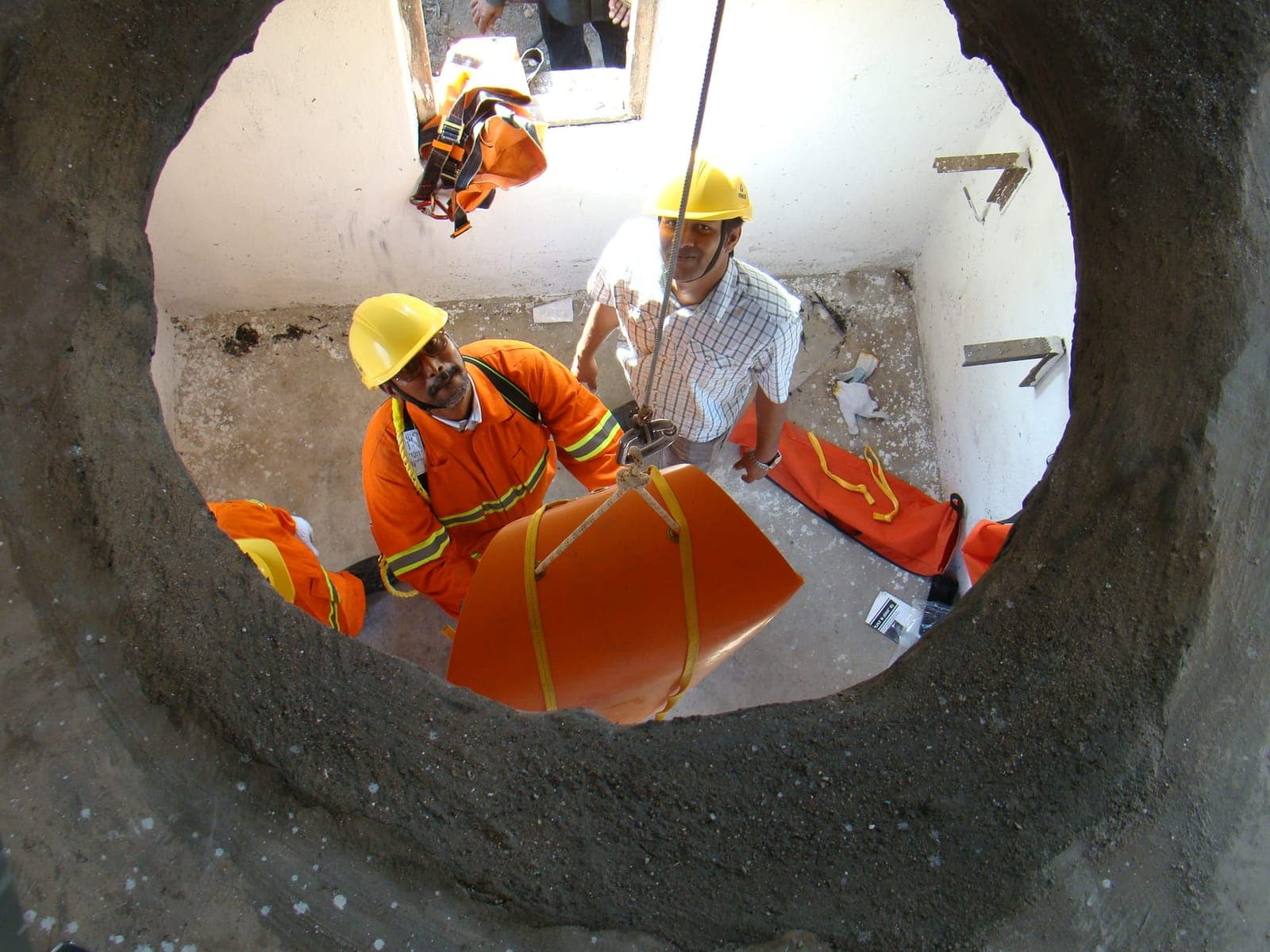
- Plan at least one mock drill, such as a fire evacuation, a casualty rescue or a chemical spill.
- Set one or two measurable goals for the year ahead, not just for the week.
During the week: engage
- Open with leadership. A visible commitment from senior managers sets the tone.
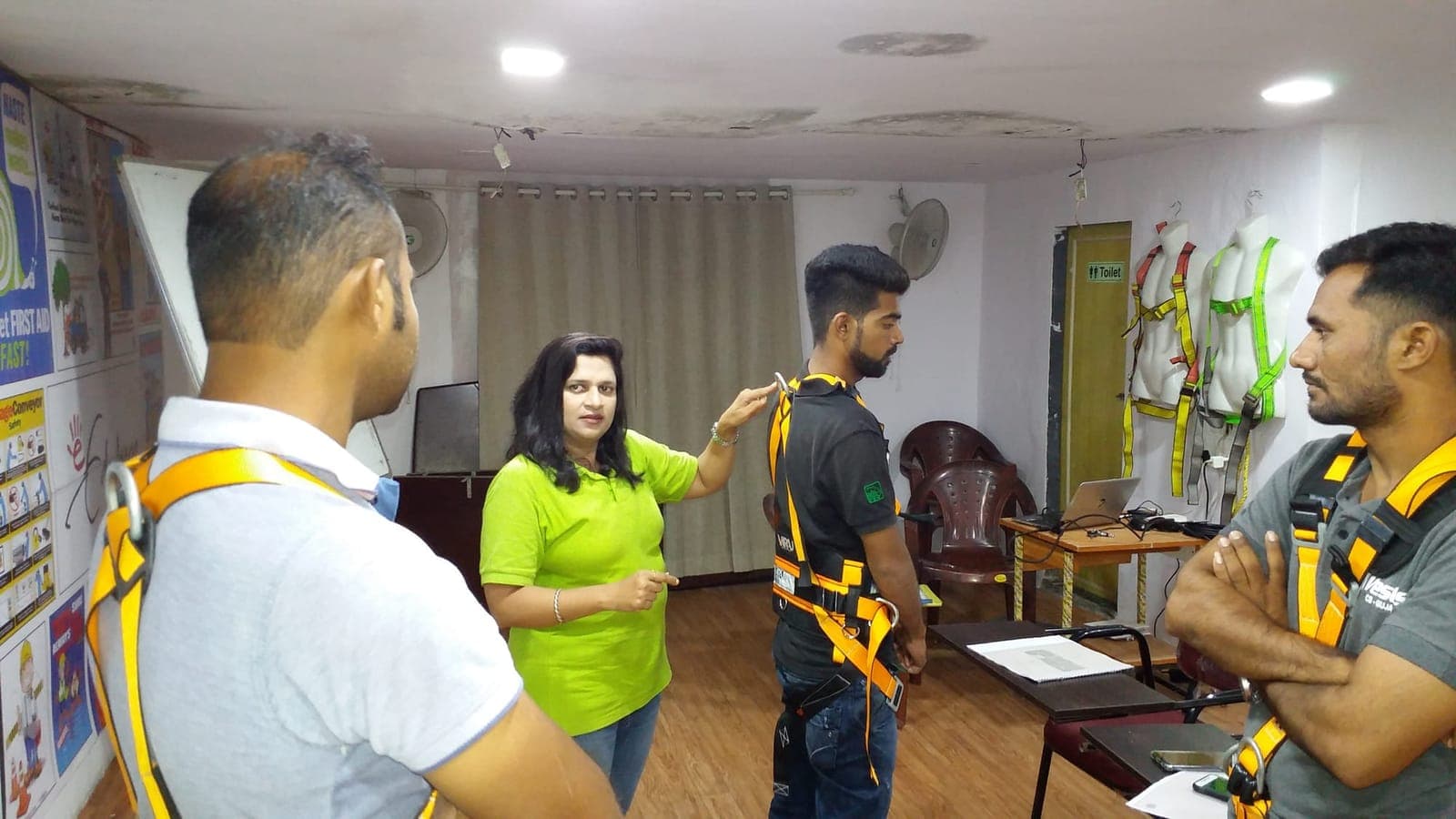
- Run short, practical sessions rather than long lectures: toolbox talks, demonstrations and hands-on practice.
- Hold the drill, and treat what goes wrong as useful learning.
- Encourage near-miss and hazard reporting, and act visibly on what is reported.
- Recognise good safety behaviour in front of colleagues.
- Include contractors and visitors, not just permanent staff.
After the week: follow through
- Act on what you learned from drills and reports, and share the results.
- Track your goals through the year.
- Keep the conversation going with regular toolbox talks and safety walks.
- Plan next year's week with the lessons from this one.
Training ideas for the week
Practical training is one of the most effective ways to mark National Safety Week. Popular choices include:
- Work at height and confined space entry, for teams exposed to those hazards
- First aid with CPR, so that more people can respond in an emergency
- Fire fighting and emergency response planning, including mock drills
- Behaviour based safety, to strengthen safety culture
- Defensive driving, for drivers and fleet operators
- Material handling and crane operations, for lifting and handling teams
Ideas for smaller workplaces
National Safety Week is not only for large factories. A small office, workshop or site can still make it count:
- hold one short, practical session each day of the week
- walk round the workplace together and fix three hazards you find
- check that fire extinguishers, first aid kits and emergency contact lists are up to date
- practise one evacuation, however small the building
- ask each person to suggest one improvement, and act on the best ideas
Who should take part
Everyone. Safety is not just for the safety department. Managers, supervisors, operators, office staff, contractors and visitors all have a part to play. The more people who take part, the more the week becomes part of how the organisation works, rather than an event on the calendar.
Making it last
The real test of National Safety Week is what happens in April, and in the months after. Organisations that use the week to start lasting habits, such as regular drills, honest reporting and practical training, see the benefits all year.
How Eduforce can help
Eduforce's Working at Height and Confined Space training programmes, and our first aid training programme, are approved by the Directorate of Industrial Safety and Health (DISH), Government of Maharashtra. We also run First Aid with CPR, Fire Fighting, Emergency Response Planning, Behaviour Based Safety, Defensive Driving, Material Handling and Crane Operations training. Training can take place at our training centre or at your own site.
To plan training for National Safety Week, write to info@eduforce.in, call 7498845111 or message us on WhatsApp at 8779291591.
Related training
- Work at Height & Fall ProtectionWorking at Height TrainingView programme
- Confined Space SafetyBasic Confined Space Entry TrainingView programme
- First Aid, Health & MedicineFirst Aid with CPR TrainingView programme
- Fire & Emergency ResponseFire Fighting TrainingView programme
- Fire & Emergency ResponseEmergency Response Planning TrainingView programme
Need help developing workplace safety capability?
Talk to Eduforce about training, consultancy and safety solutions.
Eduforce Team
EHS Training & Safety Solutions
Practical safety guidance from the Eduforce trainers and consultants — written from the training centre, the classroom and the site.
More about Eduforce